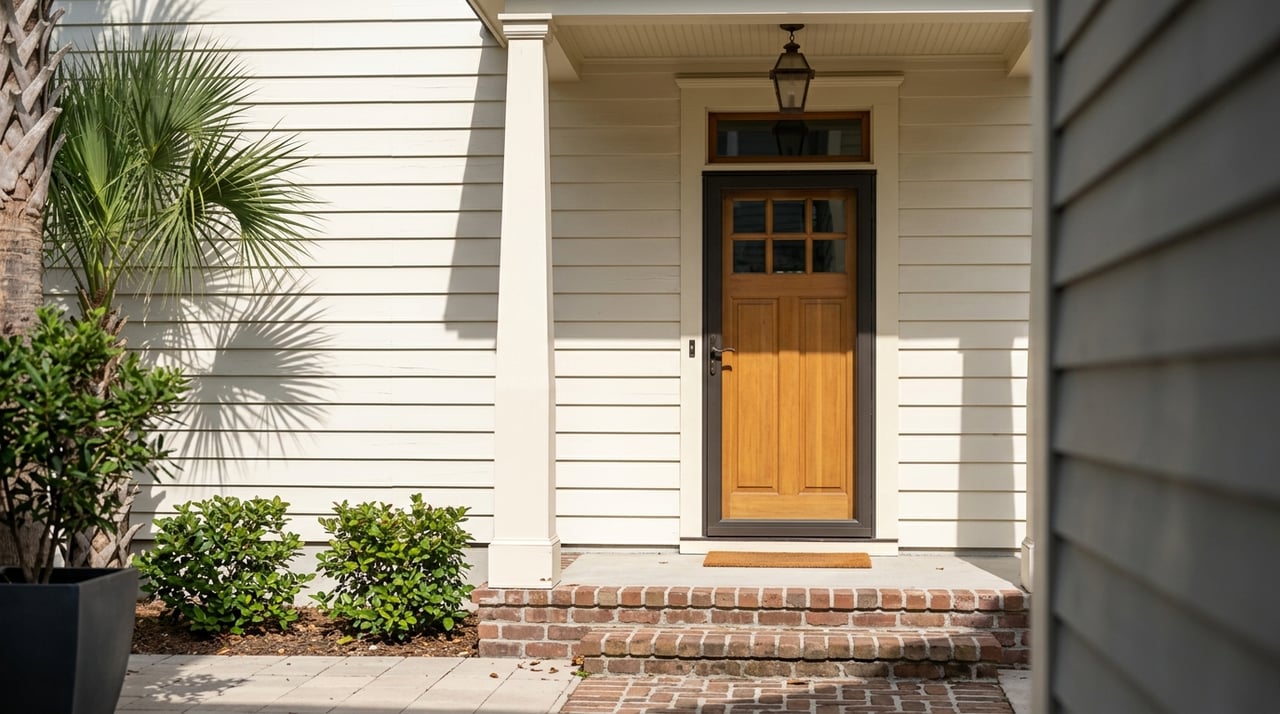
Dreaming about a historic home by the bay? In Old Northeast, that dream can be very real, but it comes with more layers than a typical home search. If you are considering buying a historic home near the water in this part of St. Petersburg, you need to look beyond charm and location to understand preservation rules, flood exposure, and how older homes function day to day. Here’s what to know before you buy, so you can move forward with more confidence. Let’s dive in.
Why Old Northeast Stands Out
Historic Old Northeast is the local name for the North Shore Historic District, which was listed on the National Register of Historic Places in 2003. It is one of St. Petersburg’s first suburban residential areas outside the central business district, with Tampa Bay forming part of its natural and historic edge.
What makes this area different is the mix of preserved architecture, close access to downtown, and a bay-adjacent setting that still feels like a residential neighborhood. You are not just buying a house here. You are buying into a specific streetscape, layout, and lifestyle that feels tied to both the city and the waterfront.
What Homes Look Like Here
One of the biggest draws in Old Northeast is architectural variety. The district includes Frame Vernacular, Masonry Vernacular, Craftsman and Bungalow, Colonial Revival, Prairie, Mediterranean Revival, Minimal Traditional, Mission, Tudor Revival, Ranch, Art Moderne, and Monterey styles.
Frame Vernacular is the most common style, and many homes date from about 1910 to 1945. That means two houses on the same block can feel very different in size, layout, roofline, and exterior details.
Common Historic Features
If you are touring homes in this area, you may notice repeated features that help define the neighborhood’s character:
- Low-pitched gabled roofs
- Wide eaves
- Exposed rafters
- Knee braces
- Tapered square porch columns
- Weatherboard, shingle, or stucco exteriors
- Symmetrical facades on some Colonial Revival homes
- Arched openings and red clay barrel tile roofs on some Mediterranean Revival homes
These details matter because they shape both curb appeal and future renovation options. A home’s style can influence what changes make sense visually and what exterior work may need closer review.
Lots, Alleys, and Garage Setups
Old Northeast also retains its original grid pattern with alleys. The district inventory includes many garages and garage apartments, which often means narrower urban lots, rear service access, and a mix of older primary homes with accessory structures or later infill nearby.
That layout can be a plus if you like a more connected, walkable neighborhood pattern. It also means you should pay close attention to parking, access, and how the lot functions for your day-to-day needs.
Why the Streetscape Matters
In Old Northeast, the setting around the house is part of the appeal. The district still includes original brick streets and alleys, hexagonal block sidewalks, and granite curbing.
These features help explain why even modest homes can feel distinctive from block to block. When you buy here, the neighborhood character is not only about the house itself. It is also about the streets, sidewalks, and historic details that frame daily life.
What to Check Before You Renovate
If you are buying a historic home with plans to update it, do your homework early. In St. Petersburg, preservation rules can vary based on the exact parcel designation, so it is important to verify how the property is classified before you make assumptions about future work.
The City of St. Petersburg’s historic preservation GIS tracks National Register historic districts, local historic districts, landmarks, brick streets, and hexagon-block sidewalks. That matters because a property’s status can affect the type of review needed for exterior changes.
Certificate of Appropriateness Review
City code states that certain work in the historic and archaeological preservation overlay cannot begin without a certificate of appropriateness. In practical terms, visible exterior changes are often the first items to review with the city if the property is locally designated or otherwise subject to overlay review.
This is one of the biggest reasons historic-home buyers need a two-part diligence process. You want to evaluate both the physical condition of the home and the preservation context that may affect your future plans.
Questions to Ask Early
Before you close, it helps to get clear answers to questions like these:
- What designation applies to this parcel?
- Does the property fall within a preservation overlay?
- Which exterior changes may require review?
- What parts of the home are original?
- What has already been replaced, updated, or added later?
These questions can save you time, money, and frustration after closing.
Inspections and Insurance for Older Coastal Homes
Historic homes near the water deserve extra diligence. A standard home inspection is still important, but in Florida, insurance can add another layer.
The state notes that homeowners insurers commonly request a four-point inspection when issuing or renewing a policy. That inspection covers roofing, electrical, plumbing, and HVAC, which are often key areas of concern in older homes.
Why Four-Point Inspections Matter
Even a beautiful, well-kept historic home can trigger insurance questions if major systems are older or have been partially updated. If you are buying near the coast, it is smart to understand early how the age and condition of these systems may affect insurability and costs.
This is especially important in Old Northeast, where homes often combine original features with modern improvements. You want to know not only what is charming, but what is functional, updated, and insurable.
Wind Mitigation Can Help
Florida continues to operate the My Safe Florida Home program. According to the state, eligible owners can receive free wind-mitigation inspections and matching grants of up to $10,000 for improvements that harden a home against storm damage.
For buyers considering an older house near the bay, that can be an important part of your long-term planning. It may help you understand what upgrades could improve resilience after closing.
How the Waterfront Changes Daily Life
The bay is a major part of Old Northeast’s appeal. The official downtown map places North Shore Park, Vinoy Park, and the waterfront park system directly beside the area, which helps explain why daily life here feels closely tied to the water, green space, and downtown amenities.
That setting can be a major lifestyle advantage. You are buying into a neighborhood where the waterfront is part of the rhythm of everyday living, not just a view on a map.
Lifestyle Benefits Near the Water
Depending on the exact address, living near the water here can mean easier access to:
- Waterfront parks
- Bay views and breezes
- Downtown St. Petersburg
- Walking and biking routes
- Community events along the waterfront
For many buyers, that combination is what makes Old Northeast so appealing. It offers a historic urban neighborhood feel with direct ties to the bay.
Practical Tradeoffs to Consider
At the same time, a water-adjacent historic house comes with practical questions. You should look carefully at drainage, elevation, storm exposure, and insurance before inspection contingencies expire.
These details can vary from one street to the next. In a neighborhood like this, two homes may share similar charm but have very different risk profiles depending on parcel-specific conditions.
Flood Zones and Parcel-Level Research
When buying near the water in Old Northeast, broad neighborhood appeal should never replace address-level research. FEMA’s Flood Map Service Center is the official source for National Flood Insurance Program flood-hazard information, including flood zone, base flood elevation, and floodway status.
FEMA also notes that flood-zone designations can change as better information becomes available, and flood insurance may still be needed even outside a high-risk zone. That is why buyers should verify current information for the exact property they are considering.
Local Mapping Matters Too
The City of St. Petersburg’s GIS includes a Coastal High Hazard Area layer, which adds another useful local tool when evaluating a specific home. Even within the same neighborhood, parcel-level differences matter.
If you are comparing homes in Old Northeast, this is where local guidance can really help. The right home is not only about architecture and location. It is also about how all the property-specific details fit your comfort level and plans.
A Smart Buying Strategy for Old Northeast
The best approach is to treat your purchase as both a lifestyle decision and a diligence exercise. Old Northeast near the water offers a rare mix of preserved architecture, bay access, and closeness to downtown, but those advantages work best when you understand the rules and risks that come with them.
As you narrow your options, focus on three things: the home’s historic character, the parcel’s preservation status, and the property’s flood and insurance profile. When those pieces line up, you can buy with more clarity and enjoy what makes this neighborhood so special.
If you are exploring historic or waterfront homes in St. Petersburg, working with someone who understands both can make the process smoother. Brad Bess helps buyers navigate Old Northeast and other coastal St. Petersburg neighborhoods with clear guidance, local insight, and a high-touch approach.
FAQs
What makes Historic Old Northeast different from other St. Petersburg neighborhoods?
- Historic Old Northeast stands out for its mix of early twentieth-century architecture, proximity to downtown, and bay-adjacent setting beside the waterfront park system.
What architectural styles are common in Historic Old Northeast?
- The district includes many styles, including Frame Vernacular, Craftsman and Bungalow, Colonial Revival, Mediterranean Revival, Prairie, Tudor Revival, Ranch, and more, with many homes dating from about 1910 to 1945.
What should you check before renovating a historic home in Old Northeast?
- You should verify the parcel’s designation, confirm whether it falls under a preservation overlay, and determine whether planned exterior work may require a certificate of appropriateness from the City of St. Petersburg.
What inspections matter when buying an older home near the water in St. Petersburg?
- Along with a standard home inspection, buyers should expect that insurers may request a four-point inspection covering roofing, electrical, plumbing, and HVAC.
How do you check flood risk for a home in Old Northeast near the water?
- Buyers should review the property through FEMA’s official flood map tools and compare that information with City of St. Petersburg GIS layers, including the Coastal High Hazard Area mapping, because risk can vary by parcel.
What is daily life like near the waterfront in Old Northeast?
- Many homes in this area are closely connected to North Shore Park, Vinoy Park, the bayfront, and downtown, which can shape daily routines around outdoor access, events, and waterfront living.