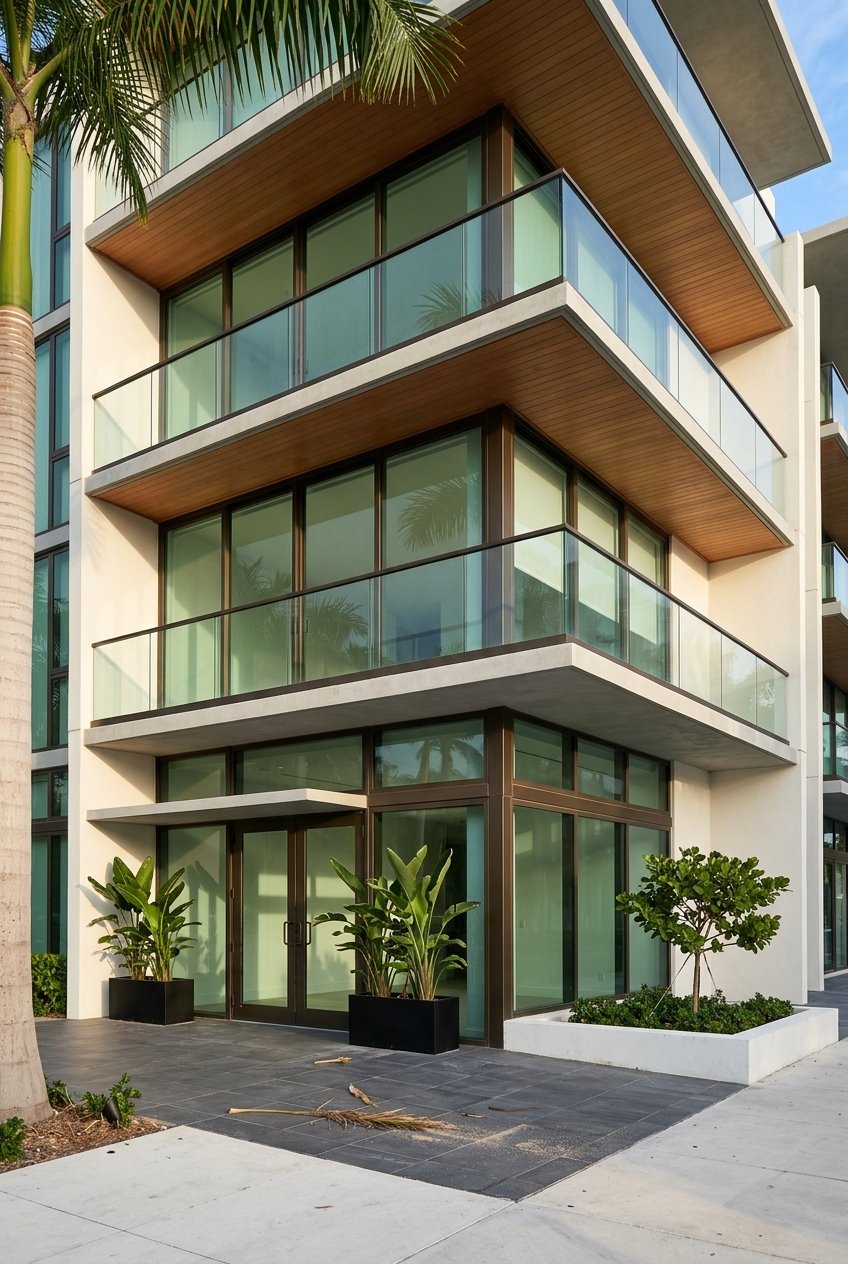
Looking at condos in downtown St. Pete can feel exciting right up until every building starts to blur together. One tower has stunning water views, another has lower monthly fees, and a third puts you steps from the places you love most. If you want to choose with confidence, you need to look past the lobby and into how the building actually fits your day-to-day life. Let’s dive in.
Start With Your Downtown Lifestyle
Choosing the right downtown St. Pete condo building starts with a simple question: how do you want to live? In this part of St. Petersburg, your building choice shapes how often you walk, drive, use transit, and entertain guests.
Downtown St. Petersburg includes distinct areas identified by the city, including the Waterfront Arts District, Central Arts District, Edge District, Grand Central District, and Innovation District. Each part of downtown offers a different daily rhythm, so location inside downtown matters almost as much as the building itself.
If you want a more car-light lifestyle, transit access deserves a close look. The Downtown Looper runs seven days a week and serves destinations such as The Pier, BayWalk, the Vinoy, the Dali Museum, USF St. Petersburg, and the Cross Bay Ferry, while the free Central Avenue Trolley connects downtown with St. Pete Beach and Pass-a-Grille.
That does not mean parking stops mattering. Even buyers who plan to walk or trolley often should still check garage access, guest parking, and how easy it is to get in and out of the building during busy times.
Questions To Ask About Location
- Can you easily reach the places you visit most often on foot?
- Is the building near the Downtown Looper or Central Avenue Trolley?
- How convenient is daily garage access?
- Is guest parking realistic for the way you host friends or family?
- Does the surrounding street pattern feel manageable during peak hours?
Compare Building Type Carefully
Two downtown condo buildings can offer a similar price point and feel completely different once you own there. That is why it helps to compare building type, not just unit finishes or views.
Boutique Vs. High-Rise
Boutique buildings and larger towers come with different ownership experiences. In general, smaller buildings have fewer shared systems to manage, while high-rises often have more elevators, garage structures, amenities, and other common elements that require funding and oversight.
In Florida, condo associations are responsible for maintaining property insurance, budgets, and reserves for common systems. That makes the real question bigger than, “What is the monthly fee?” You also want to know what the fee covers and whether the building appears to be planning responsibly for long-term costs.
A tower with more amenities may suit your lifestyle better, but it can also come with more layers of shared expense. A boutique building may feel simpler, but you still want to confirm that the association is staying current on maintenance and reserve planning.
Newer Vs. Established Buildings
Age matters, but it should be used as a screening tool, not a final judgment. A newer building may have fewer near-term major repair questions, while an established building may offer a more proven ownership history and a different value proposition.
Florida requires certain condo buildings that are three habitable stories or higher to complete milestone inspections when they reach 30 years of age and every 10 years after that. In some coastal conditions, local enforcement can require the first inspection at 25 years, and Pinellas County notes that age is based on the certificate of occupancy or other official building records if needed.
Qualifying buildings also need a structural integrity reserve study every 10 years. That review covers major items such as the roof, structure, fire protection, plumbing, electrical systems, waterproofing, exterior paint, windows, and exterior doors.
For buyers, that means an older building is not automatically a bad choice. It simply means you should verify whether required inspections, reserve studies, and repair planning are up to date.
Focus On How The Unit Lives
The right building is not only about the exterior, amenities, or address. It is also about how your specific unit feels and functions once you move in.
In downtown St. Pete, small layout differences can have a big impact on comfort. Corner stacks, floor height, balcony depth, elevator proximity, storage, parking assignment, and noise exposure can make one unit far more livable than another in the same building.
A dramatic view may justify a higher floor premium for some buyers. For others, easier elevator access, a better parking space, or a deeper balcony may create more everyday value than the top-line view.
Features Worth Comparing
- Corner versus interior unit placement
- Floor level and view orientation
- Balcony size and usability
- Assigned parking location
- Storage availability
- Distance from elevators
- Noise exposure from streets or shared areas
Pay Attention To HOA Culture
A condo building has a personality, and much of that comes from how the association operates. This is where buyers often discover whether a building truly fits their goals.
HOA culture shows up in the declaration, bylaws, and rules. Pet policies, rental limits, guest parking, move-in procedures, and renovation standards are governance items, not just minor details.
If you plan to bring a pet, host frequent visitors, remodel a kitchen, or rent the unit in the future, these rules can shape your experience in a major way. The best building for you is the one whose rules align with how you plan to use the property.
Review The Financial Story
A beautiful building can still come with financial red flags. Before you fall in love with the finishes, take time to understand the association’s financial health.
The strongest clues usually include reserve funding, deferred maintenance, pending repairs, special assessments, insurance deductibles, and whether the association seems to rely on short-term fixes instead of a current funding plan. In Florida, qualifying condo buildings are now required to fund reserve items identified in the structural integrity reserve study, and budgets adopted on or after December 31, 2024 generally may not waive those reserves.
If a milestone inspection identifies needed repairs, reserve contributions can only be paused or reduced in limited situations and for a limited time. Florida law also requires associations to maintain adequate property insurance, and owners are usually responsible for many interior finishes and unit-level items.
This is one of the biggest reasons monthly condo fees should never be viewed in isolation. A lower fee may look attractive at first, but it does not always mean the building is the better long-term fit.
Documents Buyers Should Request
Florida condominium associations must keep official records and make them available within the timelines required by law after a written request. For buyers, a strong document package should include:
- Declaration
- Bylaws
- Current rules
- Current budget
- Annual financial statement
- Any FAQ sheet
- Latest structural integrity reserve study
- Any milestone inspection summary, if one exists
DBPR says structural inspection reports and reserve studies are part of the official record and should be provided to potential purchasers. These records often tell you more than the marketing brochure ever will.
Use Public Records To Verify Details
Association documents are essential, but they should not be your only source. Public records can help confirm the building story and fill in gaps.
Pinellas County’s Property Appraiser quick search can help trace parcel data and sales history, and the county notes that official records are maintained by the Clerk of the Circuit Court. These tools can help verify ownership history, recorded amendments, and deed changes.
This step can be especially helpful when you are trying to confirm a building’s timeline or when a certificate of occupancy is harder to locate. It adds another layer of confidence before you move forward.
Check Financing Early
Not every condo that looks great on paper is easy to finance. That is why financing review should happen early in your search, not after you are already emotionally committed.
Fannie Mae says lenders must determine whether a condo project meets project-eligibility requirements. It also notes that some established Florida condo projects may qualify for a limited review, while units in ineligible projects are not eligible for sale to Fannie Mae until the issue is resolved.
For you, that means project status matters, especially if the building is older, has pending repairs, or shows unusual financial or governance issues. If you plan to finance your purchase, it is smart to match your loan strategy to the building before you get too far down the road.
Budget For The Real Monthly Cost
The asking price is only part of the affordability picture. In a downtown condo, the real monthly cost usually includes your mortgage, taxes, insurance, and condo dues.
The Consumer Financial Protection Bureau says condo or HOA dues are usually paid directly to the association rather than through the mortgage payment. Those dues can range from a few hundred dollars per month to more than one thousand dollars per month.
That is why the right building is not simply the one you can afford to buy. It is the one you can comfortably carry month after month while still enjoying the downtown lifestyle you want.
A Smart Way To Narrow Your Options
If you are comparing several downtown St. Pete condo buildings, keep your process simple and practical. Start by ranking what matters most to you, then use those priorities to eliminate buildings that do not fit.
Your Building Shortlist Checklist
- Daily lifestyle fit: walkable, transit-friendly, or car-dependent
- Parking and guest access
- Building type: boutique or high-rise
- Age and inspection status
- Reserve study and financial health
- HOA rules for pets, rentals, guests, and renovations
- Unit livability factors like layout, storage, and noise
- Financing compatibility
- Total monthly carrying cost
This approach helps you choose based on facts, not just first impressions. It also makes it easier to compare buildings that look similar online but live very differently in person.
Downtown St. Pete condo living can be incredible when the building matches your goals. The best choice is usually the one that supports your routine, fits your budget, aligns with your tolerance for rules, and shows a responsible approach to maintenance and long-term planning.
If you want help comparing downtown St. Petersburg condo buildings, reviewing trade-offs, and finding the right fit for your lifestyle, Brad Bess can help you book smart tours and narrow your search with local insight.
FAQs
What should you compare when choosing a downtown St. Pete condo building?
- You should compare location within downtown, parking, transit access, building type, unit layout, HOA rules, financial health, inspection status, financing compatibility, and total monthly cost.
How important is transit access in downtown St. Petersburg condo living?
- Transit access can make a major difference if you want a car-light lifestyle, since the Downtown Looper and Central Avenue Trolley connect many popular downtown and beach destinations.
What condo documents should buyers request in Florida?
- Buyers should request the declaration, bylaws, current rules, current budget, annual financial statement, any FAQ sheet, the latest structural integrity reserve study, and any milestone inspection summary if one exists.
Why do condo reserves matter when buying in downtown St. Pete?
- Reserves matter because they help show whether the association is planning for major building costs instead of relying on short-term fixes or surprise assessments.
Can an older downtown St. Pete condo still be a good option?
- Yes, an older condo can still be a strong option if its inspections, reserve studies, maintenance planning, and financial records show that the building is being managed responsibly.