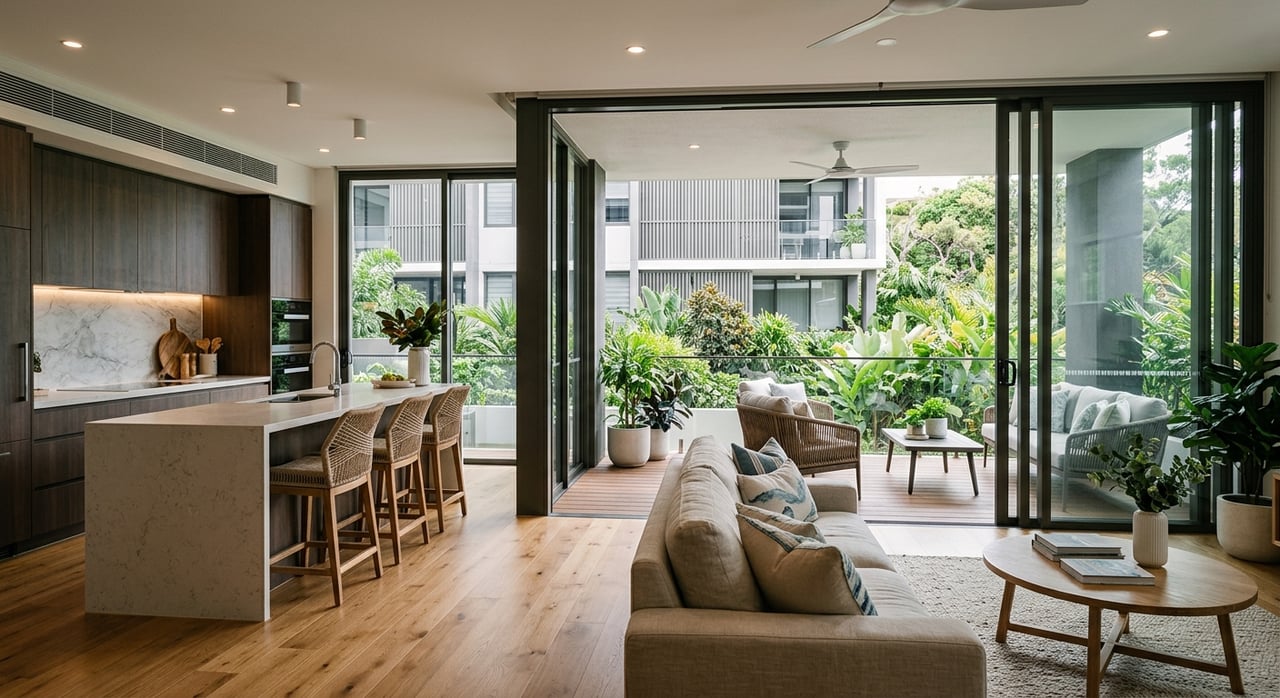
Dreaming about a place where your weekends can start with a beach walk and end with sunset views over the water? Buying a second home in St. Pete Beach can absolutely deliver that lifestyle, but it also comes with choices that matter more here than in many other markets. If you are weighing location, property type, rental plans, and coastal ownership costs, this guide will help you sort through the big decisions with confidence. Let’s dive in.
Why St. Pete Beach Feels Different
St. Pete Beach is not one uniform island market. It sits on Long Key about 12 miles west of downtown St. Petersburg, and buyers often find that one part of the beach feels very different from another.
That matters when you are shopping for a second home. Your ideal fit may depend less on square footage alone and more on whether you want a quieter setting, easier walkability, or quicker access to restaurants and activity.
The city’s broader identity also includes older sub-areas like Pass-A-Grille, Don CeSar Place, Belle Vista Beach, and St. Petersburg Beach. For second-home buyers, that means it helps to think in micro-locations instead of treating the island as one simple category.
Choosing the Right Island Section
Pass-A-Grille for a quieter feel
Pass-A-Grille is often seen as one of the quietest communities in the area. Local tourism information describes it as having historic cottages, scenic walkways, no high-rise hotels, and a small downtown that is highly walkable.
If you want a more relaxed second-home experience, this section may stand out. It also offers free on-demand rides between Pass-A-Grille and Blind Pass Bridge, which can support a lower-car, lock-and-leave style of ownership.
Corey Avenue for walkability and activity
If you want to be closer to the action, central St. Pete Beach around Corey Avenue has a different energy. It is known as the island’s historic shopping district, with boutiques, dining, art films, and a weekly market.
For many second-home buyers, that creates a more active beach-town experience. If you picture yourself walking to coffee, dinner, or events during your stay, this part of the island may be a better match.
Beach access affects day-to-day feel
Public access patterns can also shape your ownership experience. St. Pete Beach’s official parking map shows major public beach access around places like Upham Beach, County Beach Access Park, and Pass-A-Grille.
That does not make one area better than another, but it can affect visitor traffic and weekend activity nearby. If peace and privacy are high on your list, it is smart to consider how close a property is to major public access points.
Condo or House for a Second Home?
Why many buyers consider condos
For second-home buyers, condos can be appealing because they usually involve less day-to-day exterior maintenance. That can make ownership feel easier when you are not in town full time.
But in Florida, the real condo decision goes beyond price and view. You also need to understand what the association controls and what remains your responsibility as the unit owner.
What Florida condo ownership means
Under Florida law, the condo association is responsible for common elements and many structural components. The unit owner is generally responsible for personal property and several interior items, including floor, wall, and ceiling coverings, appliances, water heaters, built-in cabinets, countertops, and window treatments within the unit.
That split can work well for buyers who want less exterior upkeep. It also means your due diligence on the association is a major part of the buying process.
Why condo documents matter so much
Florida now requires a structural integrity reserve study for residential condo buildings of three habitable stories or higher at least every 10 years. Existing owner-controlled associations faced a Dec. 31, 2025 deadline, and the law allows coordination with a milestone inspection in some cases.
Florida also requires specific seller disclosures tied to milestone inspections and reserve studies. For condo sales after Dec. 31, 2024, contracts must include clear language about whether required inspections or reserve studies have been completed, and buyers have statutory voidability rights if required materials are not delivered.
Before you commit to a condo purchase, ask for these documents:
- Declaration
- Bylaws
- Rules and regulations
- Current annual budget
- Annual financial statement
- Milestone-inspection summary, if applicable
- Most recent structural integrity reserve study
Why some buyers prefer a house
Single-family homes do not come with the same condo-association framework. For many second-home buyers, that can feel simpler because you have more direct control and fewer association layers to review.
Of course, that added control usually means more responsibility too. If you are buying a beach house, you will want to think carefully about maintenance, insurance, and how you will manage the property when you are away.
Financing a St. Pete Beach Second Home
How lenders usually view second homes
Lenders often look closely at how you plan to use the property. Fannie Mae says a second home must generally be a one-unit dwelling, occupied by you for some portion of the year, suitable for year-round occupancy, under your exclusive control, and not a timeshare or rental property.
Freddie Mac uses a similar approach. Its guide says the property should be kept primarily for personal use, suitable for year-round occupancy, and not tied to rental pools or management agreements that control occupancy.
Rental income may not help you qualify
This is a point many buyers overlook. Fannie Mae says rental income from a borrower’s second home generally cannot be used to qualify the borrower.
So if your plan is to offset costs by renting the property while you are away, make sure you understand how that may affect financing. A property that works for your lifestyle goals still needs to fit the loan rules.
Taxes and Rental Rules to Know
Do not expect homestead tax benefits
In Pinellas County, the homestead exemption applies to a primary residence. That means second-home buyers should not expect homestead treatment or the Save Our Homes cap on a vacation property.
This is an important budgeting point before you buy. Your tax picture on a second home may look very different from what you pay on a primary residence.
Short-term rental rules vary by district
If you may rent the home when you are not using it, zoning matters. St. Pete Beach states that rentals under one month are not permitted in many districts, while month-or-longer rentals are allowed citywide.
The city also says limited under-30-day occupancy is allowed only in the RM zoning district and the Pass-A-Grille Overlay District. Some transient lodging uses may also require a business tax license.
Tourist development tax may apply
If the property will be rented, Pinellas County charges a 6% tourist development tax on accommodations such as private homes rented for six months or less. That is another reason to verify your intended use before closing.
For second-home buyers, this is less about memorizing rules and more about avoiding assumptions. A home that seems perfect on paper may not fit your rental plans based on its zoning district.
Flood Insurance and Coastal Costs
Flood insurance is a core ownership cost
On St. Pete Beach, flood insurance is not a side issue. It is one of the central costs to understand early, especially for waterfront and coastal properties.
FEMA says flood insurance covers direct physical flood damage to the home and belongings. If the property is in a high-risk zone and you have a federally backed mortgage, flood insurance is required.
High-risk coastal zones need extra attention
FEMA identifies Zones V and VE as high-risk coastal areas with added storm-wave hazard. Even if you are buying without a government-backed loan, FEMA still strongly recommends flood coverage in high-risk areas.
This is one of the first items to confirm during your search. It affects both affordability and your comfort level as an owner.
Elevation certificates can help
An elevation certificate may help verify flood-safety compliance and may reduce insurance cost. FEMA notes that many homeowners do not need one, but homes in high-risk coastal Zones A or V often do.
St. Pete Beach also keeps a public elevation-certificate list and directs owners to contact the Building Department if an address is not listed. For remote buyers, having this checked early can save time and surprises later.
A Smart Remote-Buyer Checklist
Buying a second home from out of area can feel overwhelming, especially in a coastal market. A simple checklist can help you focus on the details that matter most.
For a St. Pete Beach second-home purchase, make sure you confirm:
- The exact micro-location and day-to-day feel of the area
- Whether the property is a condo or single-family home, and what that means for upkeep
- The flood zone for the property
- Whether an elevation certificate is already on file
- Whether your intended rental use is allowed by zoning
- Condo documents, budgets, reserve-study information, and inspection summaries if you are buying a unit
- How the property will be classified for financing
- The likely tax treatment as a non-homestead property
Final Thoughts on Buying Well
A great second home in St. Pete Beach is not just about finding a nice property near the sand. It is about matching the right section of the island, the right ownership structure, and the right long-term plan for how you will use the home.
That is where local guidance really matters. When you understand the differences between Pass-A-Grille and central St. Pete Beach, condo rules and house responsibilities, and flood and rental issues before you buy, you can make a much smarter decision.
If you are starting your search and want neighborhood-level insight on beachfront and waterfront options, Brad Bess can help you book the right tour and evaluate the details that matter most.
FAQs
Which part of St. Pete Beach is best for a quiet second home?
- Pass-A-Grille is often viewed as one of the quietest sections, with historic cottages, scenic walkways, and no high-rise hotels.
Which area of St. Pete Beach is more walkable and active?
- Central St. Pete Beach around Corey Avenue is known for boutiques, dining, art films, and a weekly market, which gives it a more active and walkable feel.
Should I buy a condo or a house in St. Pete Beach?
- A condo may offer less exterior maintenance, while a single-family home gives you more direct control and fewer association layers. The right choice depends on your lifestyle and how hands-on you want to be.
Can I rent out my St. Pete Beach second home when I am away?
- It depends on the zoning district and overlay rules. St. Pete Beach says rentals under one month are not allowed in many districts, while month-or-longer rentals are allowed citywide.
Will I need flood insurance for a St. Pete Beach home?
- If the property is in a high-risk flood zone and you have a federally backed mortgage, flood insurance is required. Even without that loan type, flood coverage is strongly recommended in high-risk coastal areas.
What condo documents should I review before buying in St. Pete Beach?
- Ask for the declaration, bylaws, rules, current budget, annual financial statement, milestone-inspection summary if applicable, and the most recent structural integrity reserve study.