Selling a canal-front home in Waterway Estates is not the same as selling a typical St. Petersburg property. Buyers here are looking beyond square footage and finishes. They are studying water frontage, dock setup, seawall condition, and flood-related details just as closely as the kitchen or pool. If you want to stand out and protect your negotiating position, you need a smart plan before your home ever hits the market. Let’s dive in.
Why Waterway Estates Requires a Different Selling Strategy
Waterway Estates is a single-family home community in the Shore Acres area of St. Petersburg, and public listing data shows a very small number of active listings. Depending on the source and refresh date, there are about five to six homes for sale, with active asking prices ranging from $723,000 to $2,695,000.
That wide spread matters. It tells you that not all canal-front homes in Waterway Estates are valued the same way, even within the same neighborhood. Publicly shown recent sales from the area include homes at $915,000, $976,000, $1.2 million, and $2.1 million, which reflects how much value can shift based on frontage, lot size, condition, and boating features.
Because the dataset is thin, pricing your home off a simple neighborhood average can miss the mark. In Waterway Estates, your specific property features often matter more than the neighborhood name alone.
Price Your Home Around Waterfront Reality
If you are preparing to sell, one of the biggest decisions is whether your home should be positioned as a turnkey waterfront lifestyle property or a lot-value or redevelopment opportunity. Current listings in Waterway Estates show both approaches, and buyers respond to them differently.
A polished, move-in-ready canal-front home can compete on updated interiors, outdoor entertaining space, and boating convenience. A property with older improvements may attract buyers more focused on the lot, water access, and future building potential.
Before setting a price, your comp strategy should start with Waterway Estates sales first. If there are not enough strong direct comparisons, nearby waterfront areas like Shore Acres, Patrician Point, and Snell Isle can offer secondary context. That is usually more useful than comparing your canal-front property to an inland St. Petersburg home.
What Canal-Front Buyers Notice First
Waterway Estates buyers are often shopping for a lifestyle, not just a house. Public listing examples repeatedly lead with water frontage, docks, lifts, seawalls, and outdoor living zones before getting deep into interior details.
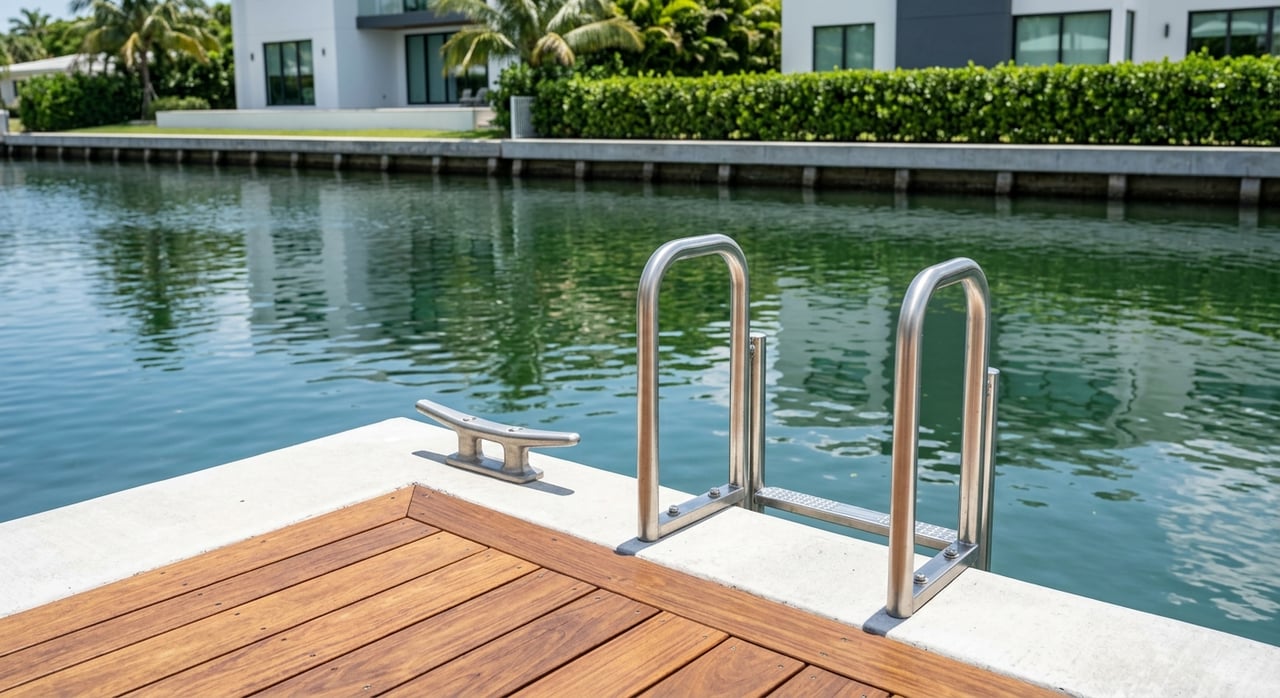
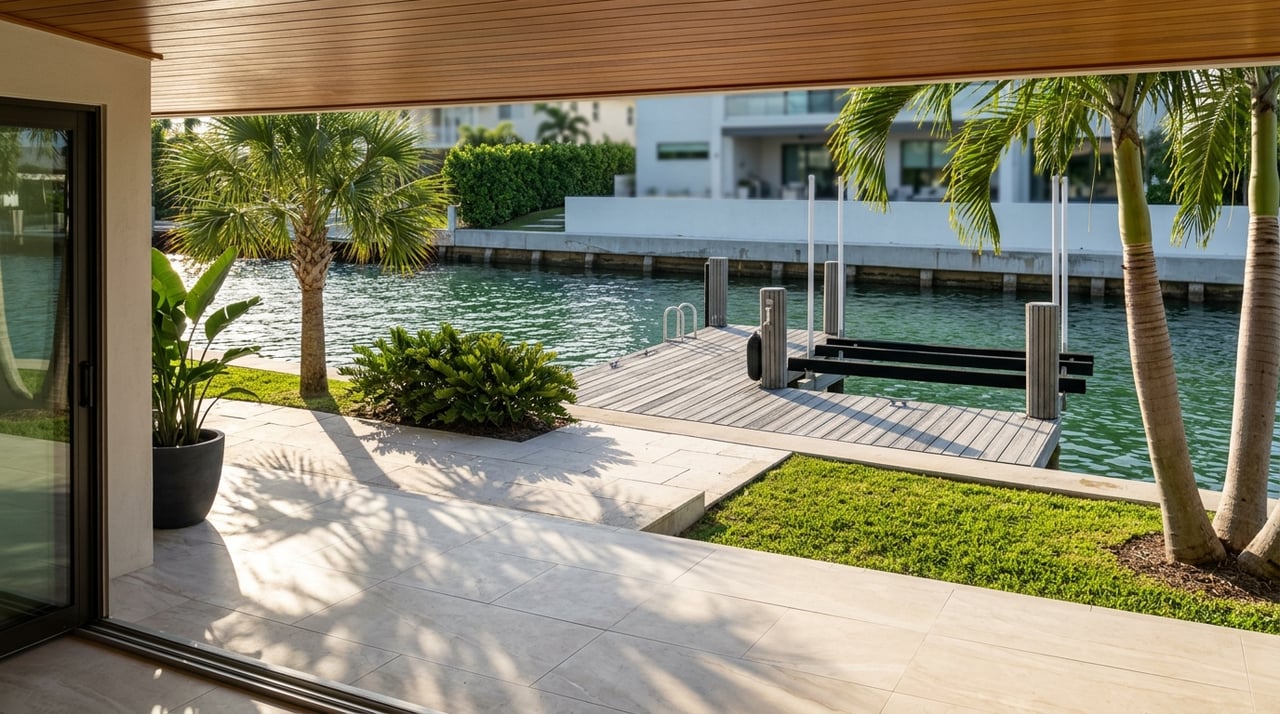
Some current and recent listings highlight 75 feet of waterfront, new seawalls, Trex docks, 10,000-pound lifts, and boat-ready utility hookups. Others feature much larger waterfront exposure, including 188 feet of frontage and larger lifts, with space for kayaks, paddleboards, jet skis, or a boat.
That means your marketing should reflect how buyers actually shop. If your property has strong water access and boating infrastructure, those features should be documented clearly and presented early.
Build Your Pre-Listing File Early
One of the best things you can do before listing is create a clean, organized property file. Waterfront buyers tend to ask more questions, and the sellers who are ready with answers usually create more confidence.
Start with your ownership and parcel information from the Pinellas County Property Appraiser. Then confirm the property’s flood zone, evacuation zone, and flood map status through Pinellas County resources.
You should also gather paperwork tied to waterfront improvements and maintenance, including:
- Dock permits
- Seawall permits
- Riprap permits
- Tie-pole permits
- Dredge or fill permits
- Roof age and records
- HVAC age and records
- Seawall repair history
- Dock and lift repair history
- Insurance claim records
- Elevation certificate, if available
- FEMA or disaster-assistance records, if applicable
In Pinellas County, dock and dredge or fill applications are submitted through the county Access Portal, and the county notes these permits can apply to private single-family docks, seawalls, riprap, tie poles, and dredging or filling in county waters. Having those records ready can make your listing feel more credible from day one.
Flood Disclosure Is Not Optional
For canal-front sellers in Florida, flood disclosure needs to be taken seriously. State law requires a seller of residential real property to provide a flood disclosure at or before contract execution.
That disclosure includes any known flooding damage, flood claim history, and flood assistance received. Florida law also requires real estate licensees to disclose known facts that materially affect value and are not readily observable to a buyer.
For you as a seller, this means preparation matters. If your home has had prior flooding, insurance claims, repairs, or assistance, it is better to have clean records and a clear explanation than to scramble later during negotiations.
Show Buyers the Waterfront Improvements
When buyers tour a canal-front home, they are often evaluating the exterior systems as much as the interior design. A fresh kitchen can help, but a strong seawall, functional dock, and documented lift maintenance can shape value in a major way.
Current Waterway Estates-area listings repeatedly call out updates to roof systems, AC, pool equipment, seawalls, docks, and lifts. That signals what buyers are expecting to see and what they may use during negotiations.
If you have made meaningful waterfront upgrades, do not leave them vague. Be ready to show what was updated, when it was done, and whether permits were involved.
Market the Lifestyle, Not Just the Floor Plan
In Waterway Estates, strong listing presentation should lead with the waterfront experience. Buyers are not just buying bedrooms and bathrooms. They are buying boating access, outdoor living, water views, and the day-to-day function of the property.
Your photos and marketing copy should usually spotlight:
- Water frontage
- Dock and lift setup
- Seawall condition or recent replacement
- Lanai or pool area
- Outdoor entertaining spaces
- Water views from key living areas
- Practical boating features like water or power at the dock
Some public listings also emphasize how quickly owners can reach downtown St. Petersburg by boat, bike, or golf cart. That kind of lifestyle framing helps buyers picture how they would actually use the home.
Prepare for Waterfront-Specific Negotiations
Buyers in this segment often come in with detailed questions. They may ask about flood insurance, transferability of an existing flood policy, dock condition, permit history, and the remaining life of major components.
Pinellas County advises buyers to check flood-zone status, hurricane evacuation zone, flood depth, and flood insurance cost, and also notes that homeowners insurance does not include flood damage. Since buyers are being told to review those issues, you should expect them to come up during the deal.
This is where documentation can protect your price. A seller who is organized, transparent, and realistic tends to be in a stronger position than one who relies on broad marketing language without backup.
Use Limited Inventory to Your Advantage
Small inventory can help sellers, but only if the home is priced and presented well. Public neighborhood snapshots show a limited number of active listings in Waterway Estates, and Realtor.com indicates homes sold for about the asking price on average in May 2026.
That does not mean every seller can name any price and expect a strong result. It means buyers may respond well when a home is aligned with market expectations, supported by good comps, and backed by waterfront-specific documentation.
In a small-inventory neighborhood, details can have an outsized impact. The better you define your property’s strengths, the easier it is to justify your position.
Your Waterway Estates Seller Playbook
If you want a practical roadmap, focus on these steps before listing:
- Confirm your property’s parcel, flood zone, and evacuation zone information.
- Gather permits for the dock, seawall, riprap, tie poles, and any dredge or fill work.
- Organize records for roof, HVAC, seawall, dock, lift, and pool equipment updates.
- Prepare required flood-related disclosures and claim history details.
- Decide whether your home is best marketed as turnkey waterfront living or a lot-value opportunity.
- Build a pricing strategy using Waterway Estates comps first and nearby waterfront neighborhoods second.
- Lead your marketing with boating access, outdoor living, and documented waterfront improvements.
Selling a canal-front home in Waterway Estates is about more than timing the market. It is about understanding what waterfront buyers value, answering their questions before they ask, and presenting your property with the kind of local strategy that fits this niche.
If you are thinking about selling in Waterway Estates and want a pricing and marketing plan built around waterfront realities, connect with Brad Bess for local guidance tailored to your home.
FAQs
What affects the sale price of a Waterway Estates canal-front home?
- The biggest factors often include water frontage, lot size, dock and lift features, seawall condition, renovation level, and whether the home is marketed as turnkey or as a redevelopment opportunity.
What documents should sellers gather before listing a Waterway Estates waterfront home?
- You should gather parcel details, flood-zone information, evacuation-zone details, permits for waterfront improvements, repair records, insurance claim history, and any available elevation or disaster-assistance records.
What flood disclosures are required when selling a Florida waterfront home?
- Florida requires sellers of residential property to provide a flood disclosure at or before contract execution, including known flooding damage, flood claim history, and flood assistance received.
How should a Waterway Estates seller market a canal-front property?
- Marketing should usually lead with waterfront access, dock and lift setup, seawall details, outdoor living, and water views because those features are repeatedly emphasized in current area listings.
Are nearby neighborhoods useful when pricing a Waterway Estates home?
- Yes, if direct Waterway Estates comps are limited, nearby waterfront neighborhoods like Shore Acres, Patrician Point, and Snell Isle can provide secondary pricing context.