Trying to choose between a waterfront home and an inland home in St. Petersburg? It is one of the most important decisions you can make in this market, because the right answer depends on more than just price. You need to weigh lifestyle, ownership costs, flood exposure, and how you want to live day to day. This guide will help you compare the real tradeoffs so you can move forward with more clarity. Let’s dive in.
St. Petersburg Market Snapshot
St. Petersburg remains an active market, but prices can vary sharply by location. Realtor.com reports a citywide median listing price of $445,000 and a median price per square foot of $338, while Redfin reports a February 2026 median sale price of $545,000 with 66 days on market.
That wide range matters when you compare waterfront and inland homes. In St. Petersburg, your budget may buy a very different lifestyle depending on whether you want direct water access, a near-water location, or an inland neighborhood with walkability and lower carrying costs.
Waterfront Homes Cost More
The waterfront premium in St. Petersburg is real. In Snell Isle, Realtor.com identifies a waterfront neighborhood with a median listing price of $1,395,000, a median price per square foot of $605, and 100 days on market.
That is a major jump from the citywide baseline. It shows how much buyers are willing to pay for views, boating convenience, privacy, and direct access to the water.
But waterfront is not the only path to a premium home. Some inland and close-in neighborhoods also command strong pricing based on character, location, and convenience, which is why it helps to compare micro-markets instead of thinking in simple waterfront-versus-inland terms.
Inland Homes Are Not One Thing
Many buyers assume inland automatically means lower cost and a more suburban feel. In St. Petersburg, that is not always true. Some inland neighborhoods still trade at premium prices, especially if they offer historic character, location advantages, or a more walkable daily lifestyle.
For example, Old Northeast has a median asking price of $692,500 and $446 per square foot. Magnolia Heights shows a median listing price of $549,000 and $434 per square foot, while Historic Kenwood has a median listing price of $699,900 and $416 per square foot.
The takeaway is simple: inland does not always mean bargain pricing. It often means a different mix of benefits, with more emphasis on convenience, neighborhood fabric, and potentially simpler ownership.
Lifestyle Matters Most
The best choice often comes down to how you want to live. According to Pinellas County coastal planning guidance, the shoreline offers views and recreational opportunities, but it also comes with coastal risk.
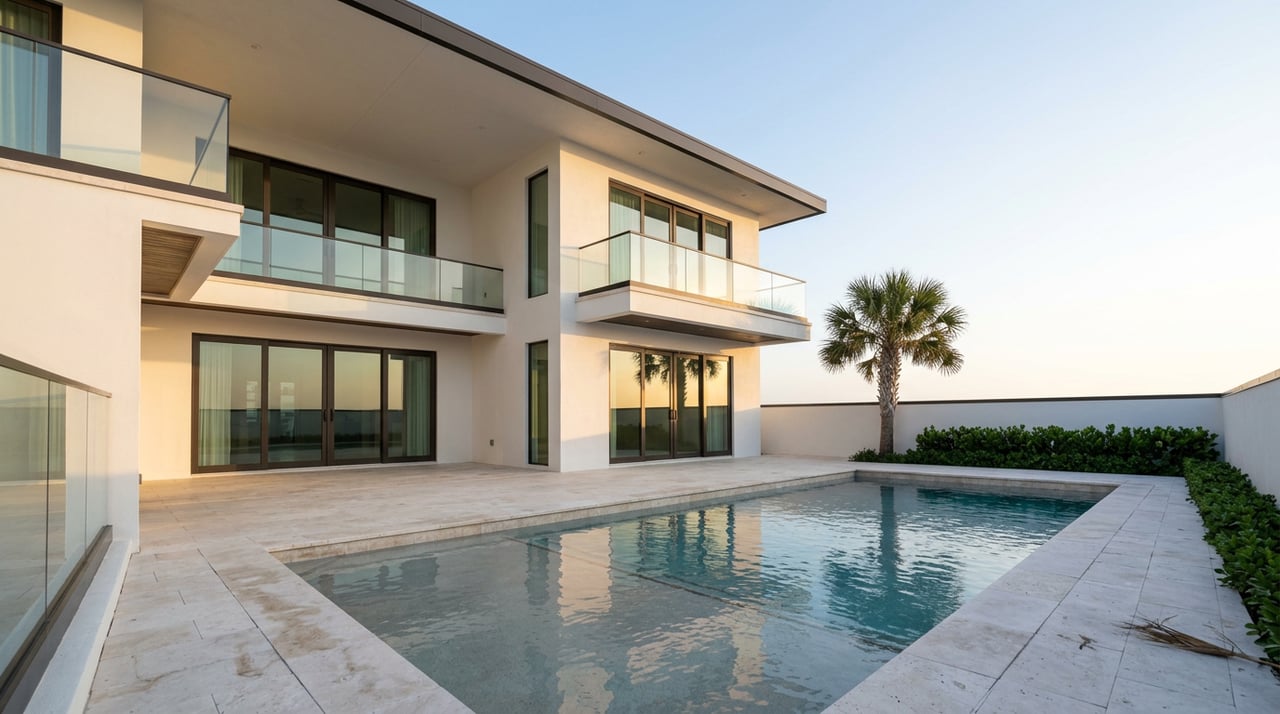
If you picture yourself using a dock, enjoying open water views, or building daily life around boating, a waterfront property may be worth the premium. For buyers who are highly lifestyle-driven, the emotional value of direct water access can outweigh the higher cost.
If your daily routine is more about coffee shops, parks, errands, and neighborhood connectivity, inland options may deliver more practical value. Historic Kenwood has a Walk Score of 64, Magnolia Heights has a Walk Score of 65, and the citywide Walk Score is 43, which shows that inland living in St. Petersburg does not have to mean car-dependent living.
Near-Water Can Be the Sweet Spot
For many buyers, the smartest move is not fully waterfront or fully inland. It is near-water. This middle category can offer coastal character, good access to the bay or downtown, and a strong neighborhood feel without the top-tier waterfront premium.
Old Northeast is a good benchmark for that middle ground. Its $446 per square foot is well above the citywide listing baseline, but still materially below Snell Isle’s $605 per square foot. That makes it a useful example of how you can stay close to the water and lifestyle amenities without stretching all the way to prime waterfront pricing.
Insurance and Flood Risk Change the Math
One of the biggest differences between waterfront and inland homes is not always the purchase price. It is the long-term cost of ownership.
The Florida Office of Insurance Regulation reports that the average homeowners insurance premium in Pinellas County, including wind coverage, was $3,902 as of March 31, 2025. Actual premiums vary based on the insurer, insured value, deductibles, and policy terms.
That number is only a starting point. Waterfront and near-water homes may face higher insurance costs based on flood exposure, wind risk, elevation, and construction details.
It is also important to know that most homeowners policies do not cover flood damage. Pinellas County explains that homes in high-risk flood areas with mortgages from government-backed lenders are required to carry flood insurance, and FEMA flood maps identify high-risk areas beginning with A or V.
Inland Does Not Mean No Risk
A common mistake is assuming inland automatically means you can ignore flood questions. That is not the case.
FEMA notes that there is no true no-risk zone. Even away from the immediate shoreline, buyers should still review flood maps, drainage patterns, and evacuation information before making an offer.
That is especially relevant in Pinellas County, where coastal planning documents identify sea level rise, hurricanes, storm surge, high-tide events, flash floods, and stormwater runoff as ongoing concerns. The county’s flood vulnerability assessment says sea levels could rise 1 to 3 feet within the next few decades, and tidal flooding in low-lying parts of the county is likely to become more frequent and higher.
Waterfront Maintenance Can Add Up
Beyond insurance, waterfront homes can come with more exterior upkeep. Shoreline conditions, drainage, and lot-specific features can all affect what ownership feels like over time.
For example, UF/IFAS recommends a 10-foot low-maintenance waterfront zone with no mowing, irrigation, fertilizer, or pesticides under its Protect the Waterfront principle. Pinellas County also notes that living shoreline elements can be added in front of an existing seawall, which shows how shoreline stewardship can become part of long-term property care.
This does not mean waterfront ownership is a bad idea. It means you should evaluate the full picture, not just the view.
Questions to Ask Before You Buy
Whether you are leaning waterfront, near-water, or inland, doing your homework early can save you time and money later. Before you make an offer, ask for:
- The property’s flood zone
- The evacuation zone
- Any available elevation certificate
- Wind-mitigation information
- Seawall or dock records, if applicable
- A flood-insurance quote early in the process
Pinellas County’s Flood Map Service Center is a useful starting point for reviewing map tools and local flood information. It is also worth remembering that FEMA notes NFIP policies typically have a 30-day waiting period unless coverage is mandated or tied to certain map changes.
How to Decide What Fits You
A simple way to think about your decision is to match the home type to your priorities.
Choose Waterfront If
- Direct water access matters to your daily life
- You want dock usage, boating convenience, or open-water views
- You are comfortable with a higher purchase price
- You can absorb more risk-related costs and maintenance
Recent examples like Snell Isle show why waterfront appeals to so many buyers, but they also show the premium attached to that lifestyle.
Choose Near-Water If
- You want coastal character without the very top price tier
- You value access to the water and nearby amenities
- You want a balance between lifestyle and carrying costs
- You prefer a close-in location with broader resale appeal
Old Northeast is a strong example of this middle-ground option.
Choose Inland If
- Monthly carrying cost matters more than direct water access
- You want more insurance predictability
- Walkability and neighborhood convenience are priorities
- You value a simpler ownership profile
Magnolia Heights and Historic Kenwood show that inland living can still be attractive, connected, and full of character.
Is Waterfront Always Better?
Not necessarily. Waterfront can be the better fit for some buyers, especially those who will truly use and enjoy the access, views, and boating lifestyle. But that does not automatically make it the better choice for every budget or every household.
Pricing, days on market, and day-to-day utility vary by micro-location. In some cases, a close-in inland or near-water neighborhood may offer better overall value based on how you actually live.
The Right Choice Is Personal
In St. Petersburg, the best home is not always the one closest to the water. It is the one that fits your priorities, risk tolerance, budget, and lifestyle with the fewest compromises.
If you want clear guidance on comparing waterfront, near-water, and inland options across St. Petersburg neighborhoods, Brad Bess can help you evaluate the details that matter most, from neighborhood fit to coastal-specific considerations. When you are ready, Book Your Tour and take the next step with confidence.
FAQs
What is the price difference between waterfront and inland homes in St. Petersburg?
- Recent data shows a meaningful premium for waterfront locations. Snell Isle had a median listing price of $1,395,000 and $605 per square foot, compared with the citywide median listing price of $445,000 and $338 per square foot, while inland neighborhoods like Magnolia Heights and Historic Kenwood also showed strong pricing.
Do inland homes in St. Petersburg still have flood risk?
- Yes. FEMA says there is no true no-risk zone, so you should still review flood maps, evacuation zones, and property-specific conditions even if a home is not directly on the water.
What extra costs come with waterfront homes in Pinellas County?
- The biggest added costs often include higher flood and wind-related insurance exposure, plus waterfront maintenance tied to shoreline conditions, elevation, drainage, docks, or seawalls.
Is Old Northeast a good middle-ground option in St. Petersburg?
- Old Northeast can be a strong near-water benchmark because it offers close-in location benefits and coastal character, with pricing that sits below prime waterfront neighborhoods like Snell Isle.
What should buyers check before making an offer on a St. Petersburg waterfront home?
- You should ask for the flood zone, evacuation zone, elevation certificate, wind-mitigation details, seawall or dock records if applicable, and a flood-insurance quote as early as possible.