Trying to choose between Woodlawn, Old Northeast, and Crescent Lake in 33704? You are not alone. These three St. Petersburg neighborhoods can all appeal for different reasons, but they do not feel the same once you look at price trends, housing stock, walkability, and daily lifestyle. This guide will help you compare them clearly so you can focus your search with more confidence. Let’s dive in.
What Sets These Neighborhoods Apart
If you want the shortest summary, Historic Old Northeast is the historic benchmark, Crescent Lake is the park-centered close-in option, and Greater Woodlawn is the broader north-side residential choice.
That distinction matters because buyers often start with a ZIP code or budget, then realize the block-by-block feel is very different. In 33704, your experience can shift from brick streets and waterfront-adjacent routes to park-centered living or a quieter interior residential grid.
Historic Old Northeast at a Glance
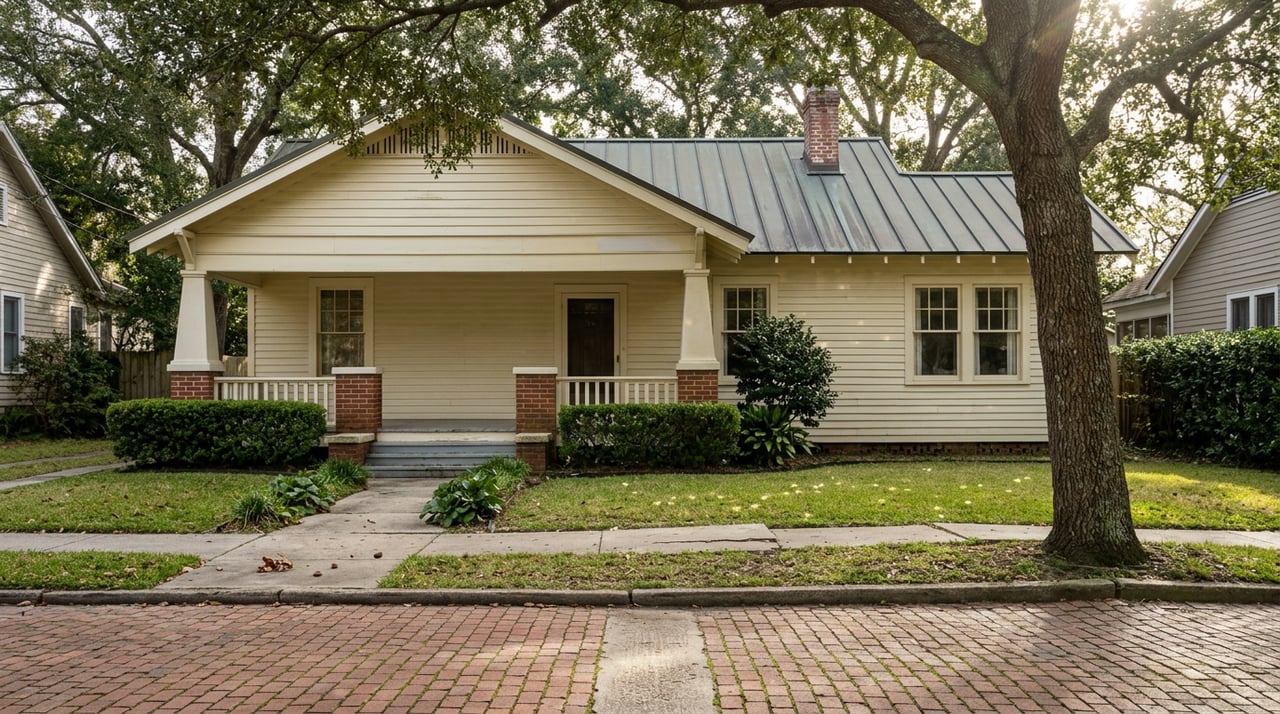
Historic Old Northeast stands out for its strong historic identity and its location near downtown and the waterfront. The National Register nomination describes it as one of St. Petersburg’s first suburban residential areas outside the central business area.
You will find original brick streets, alleys, hexagonal sidewalks, granite curbing, and a wide range of home styles dating from about 1910 to 1945. The district retains a high concentration of frame vernacular and bungalow homes, along with Colonial Revival, Mission, and Mediterranean Revival examples.
For many buyers, Old Northeast offers the clearest blend of historic character and access to the waterfront edge. The blocks nearest North Shore Park, Coffee Pot Bayou, and the downtown edge are often the first places people want to tour.
Crescent Lake at a Glance
Crescent Lake feels different right away because the park is the center of the neighborhood. Crescent Lake Park is a 56-acre public space, and the neighborhood association highlights the area’s closeness to both the park and downtown.
The housing mix is eclectic, with early and mid-20th-century styles rather than one single architectural identity. If your ideal setting includes a neighborhood gathering point and a more casual park-oriented rhythm, Crescent Lake often stands out.
The best place to get a feel for it is the park-adjacent core around Crescent Lake Park and 5th Street N. That area gives you the clearest sense of how the neighborhood connects outdoor space with close-in city access.
Greater Woodlawn at a Glance
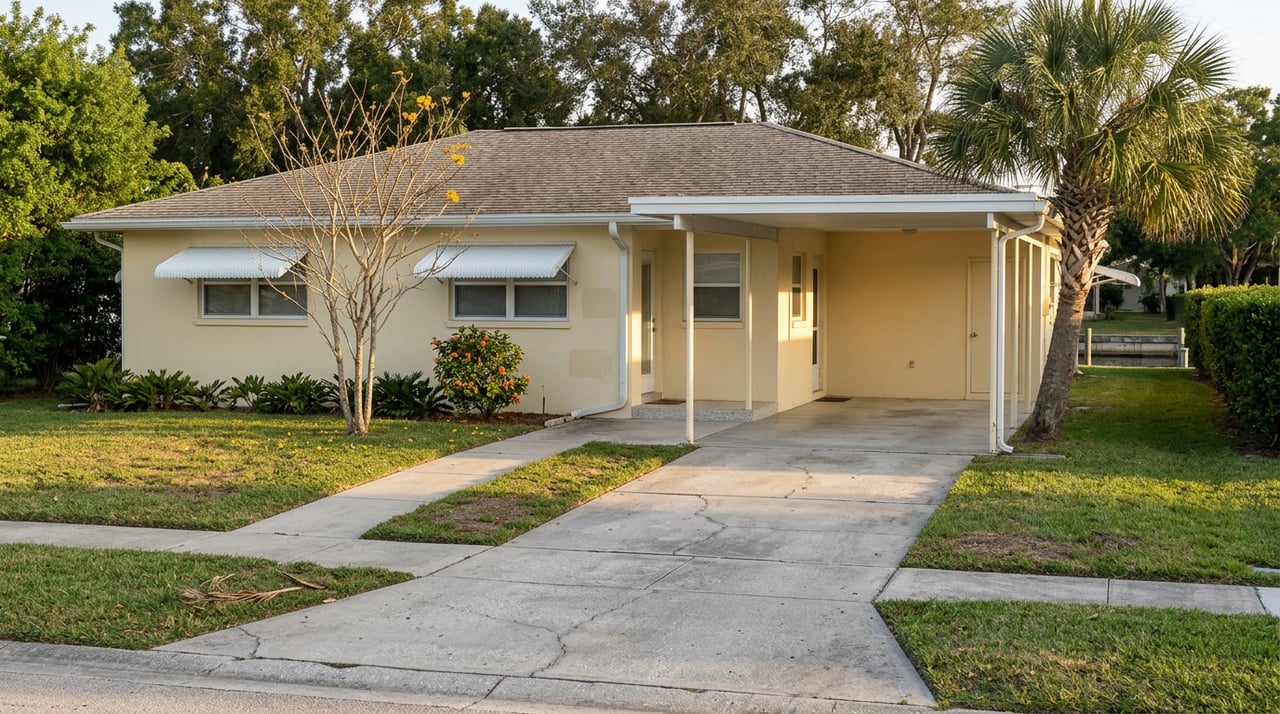
Greater Woodlawn is more of a mixed-age residential neighborhood than a single-style historic district. Its roughly 625-home footprint is bounded by 22nd Avenue N, 30th Avenue N, 16th Street N, and 9th Street N.
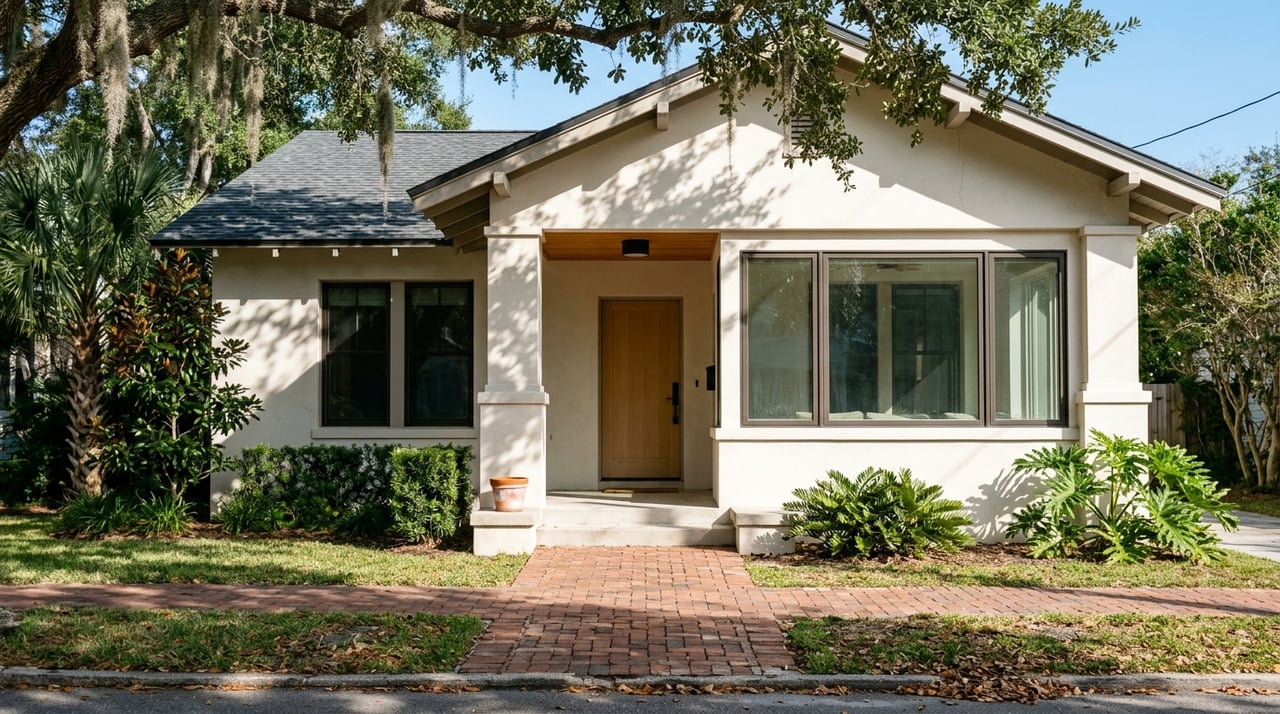
The housing stock includes 1920s and 1930s homes mixed with 1940s and 1950s construction. The earliest homes are concentrated in the southeast quadrant along 9th Street N and 16th Street N, while the Woodlawn Subdivision in the southwest quadrant was platted in 1924.
For many buyers, Woodlawn works best when you want character and variety without being as tied to waterfront adjacency or a major park edge. It tends to feel more interior, more neighborhood-scaled, and more block-sensitive in terms of value and style.
How Prices Compare Right Now
Current pricing gives you a useful starting point, but not the final answer. In March 2026, Historic Old Northeast posted a median sale price of $1.15 million, Greater Woodlawn posted $1.277 million, and Crescent Lake came in at $787,500.
At first glance, Woodlawn looks like the highest-priced of the three. But that snapshot came from only 4 sales, so one or two high-end closings can heavily distort the monthly median.
Old Northeast had 49 sales, which makes its median much more stable than the others. Crescent Lake had 8 sales, so it is also based on a smaller sample, though it still reads as the clearest lower-entry option in the latest snapshot.
Why the Median Does Not Tell the Whole Story
In neighborhoods like these, street-level comps matter more than one monthly median. A larger lot, a renovated historic home, or a premium location near the waterfront or park can shift value quickly.
That is especially true in Greater Woodlawn and Crescent Lake, where the number of monthly sales is limited. If you are buying or selling here, you need to look beyond the headline and compare similar homes on similar blocks.
Market Speed and Negotiation Patterns
The numbers also show different market behavior. Historic Old Northeast averaged 71 days on market with a 95.2% sale-to-list ratio, Greater Woodlawn averaged 25 days with a 99.8% sale-to-list ratio, and Crescent Lake averaged 15 days with a 94.9% sale-to-list ratio.
That suggests Crescent Lake and Woodlawn moved faster in the latest snapshot, while Old Northeast gave buyers and sellers a slightly longer decision window. Still, because the sold count is small in Woodlawn and Crescent Lake, it is best to treat these numbers as directional rather than absolute.
If you are a buyer, this means strategy should be neighborhood-specific and property-specific. A well-positioned home near a top pocket can behave very differently from the broader neighborhood average.
Walkability and Getting Around
If walkability is high on your list, Crescent Lake leads this group with a 71 Walk Score. Historic Old Northeast follows with 66, and Greater Woodlawn comes in at 62.
For biking, Old Northeast scores the strongest at 82 Bike Score, compared with 65 in Crescent Lake and 63 in Greater Woodlawn. Transit scores are modest across all three, with Old Northeast and Crescent Lake at 38 and Greater Woodlawn at 32.
Best Fit for Downtown Access
Old Northeast is the strongest downtown-waterfront hybrid. Official destination materials connect the area to the North Bay Trail and the waterfront route around Coffee Pot Bayou and downtown, which adds to its appeal for buyers who want historic surroundings with access to the bayfront edge.
Crescent Lake is also close to downtown, but its identity is more park-centered than waterfront-centered. Greater Woodlawn offers solid mobility, though it feels more interior and more residential in day-to-day character.
Which Neighborhood Fits Your Lifestyle?
The right choice depends less on the ZIP code and more on how you want to live.
Choose Old Northeast if you want historic prestige
Old Northeast may be the best fit if you are drawn to preserved historic details, a strong sense of place, and proximity to the waterfront and downtown. It offers the clearest historic identity of the three and tends to attract buyers who value architecture, setting, and long-term neighborhood recognition.
Choose Crescent Lake if you want park-centered living
Crescent Lake may suit you if you want a lower entry point, stronger walkability, and a neighborhood built around a major public park. It is a compelling option for buyers who want close-in access without Old Northeast pricing.
Choose Woodlawn if you want variety and a quieter grid
Greater Woodlawn may make the most sense if you prefer a broader residential setting with mixed-age homes and meaningful block-by-block variation. It can be a smart option if you want character and location in 33704 but are open to a less uniform neighborhood identity.
Best Areas to Tour First
If you are narrowing your search, start with the strongest pockets in each neighborhood.
- Historic Old Northeast: tour the blocks near North Shore Park, Coffee Pot Bayou, and the downtown edge
- Crescent Lake: focus on the park-adjacent core around Crescent Lake Park and 5th Street N
- Greater Woodlawn: look closely at the southeast and southwest quadrants, especially near 9th Street N, 16th Street N, and the Woodlawn Subdivision
Touring these areas first can help you compare not just homes, but also street rhythm, lot patterns, and how each neighborhood feels in real life.
Final Takeaway
If you want the most established historic setting with downtown and waterfront appeal, Historic Old Northeast is the clear benchmark. If you want the most walkable and park-centered option with a lower current entry point, Crescent Lake stands out. If you want a more interior residential neighborhood with mixed-era homes and strong block-by-block variety, Greater Woodlawn deserves a closer look.
In a market like 33704, the best decision usually comes from matching your goals to specific streets and homes, not just neighborhood headlines. If you want help comparing these areas in person or identifying the right fit based on your budget and lifestyle, Brad Bess can help you tour with a local, neighborhood-first strategy.
FAQs
How do home prices compare in Old Northeast, Crescent Lake, and Woodlawn?
- In the latest March 2026 snapshot, Historic Old Northeast had a median sale price of $1.15 million, Greater Woodlawn had $1.277 million, and Crescent Lake had $787,500. Because Woodlawn and Crescent Lake had very small monthly sales samples, those figures are best used as directional rather than absolute.
Which St. Petersburg neighborhood is most walkable: Old Northeast, Crescent Lake, or Woodlawn?
- Crescent Lake had the highest Walk Score at 71, followed by Historic Old Northeast at 66 and Greater Woodlawn at 62.
What is the main difference between Old Northeast and Crescent Lake?
- Historic Old Northeast is more defined by historic architecture and its downtown-waterfront connection, while Crescent Lake is more defined by its 56-acre park and close-in, park-centered lifestyle.
Is Greater Woodlawn a historic district like Old Northeast?
- Greater Woodlawn is better understood as a mixed-age residential neighborhood with homes from the 1920s through the 1950s, rather than a single-style historic district like Historic Old Northeast.
Which neighborhood in 33704 should you tour first?
- That depends on your priorities. If you want historic character and waterfront proximity, start in Old Northeast. If you want park access and walkability, start in Crescent Lake. If you want a quieter residential grid with varied housing stock, start in Greater Woodlawn.