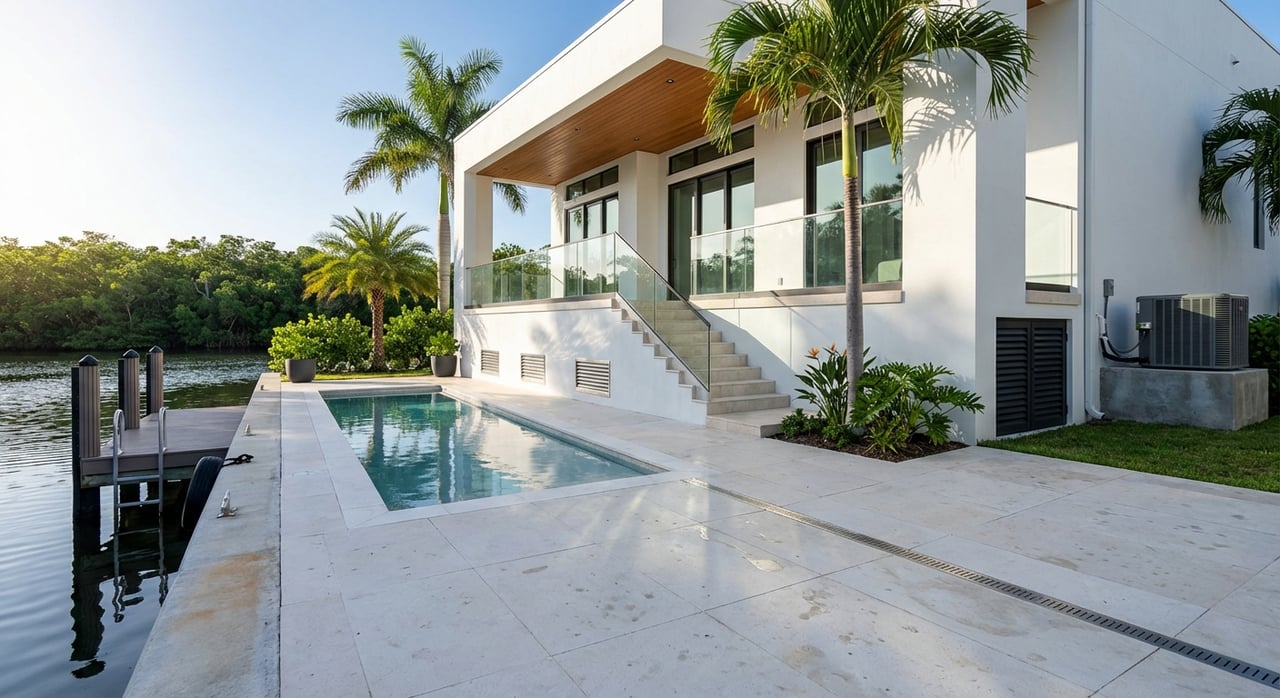
You want the waterfront lifestyle in Shore Acres, but you also want clarity on flood zones and insurance. If you have heard mixed advice about AE maps, premiums, or the new city pump project, you are not alone. In this guide, you will learn how to read the maps, how insurance is priced today, what local mitigation means for you, and the practical steps that can lower long-term costs. Let’s dive in.
Shore Acres waterfront at a glance
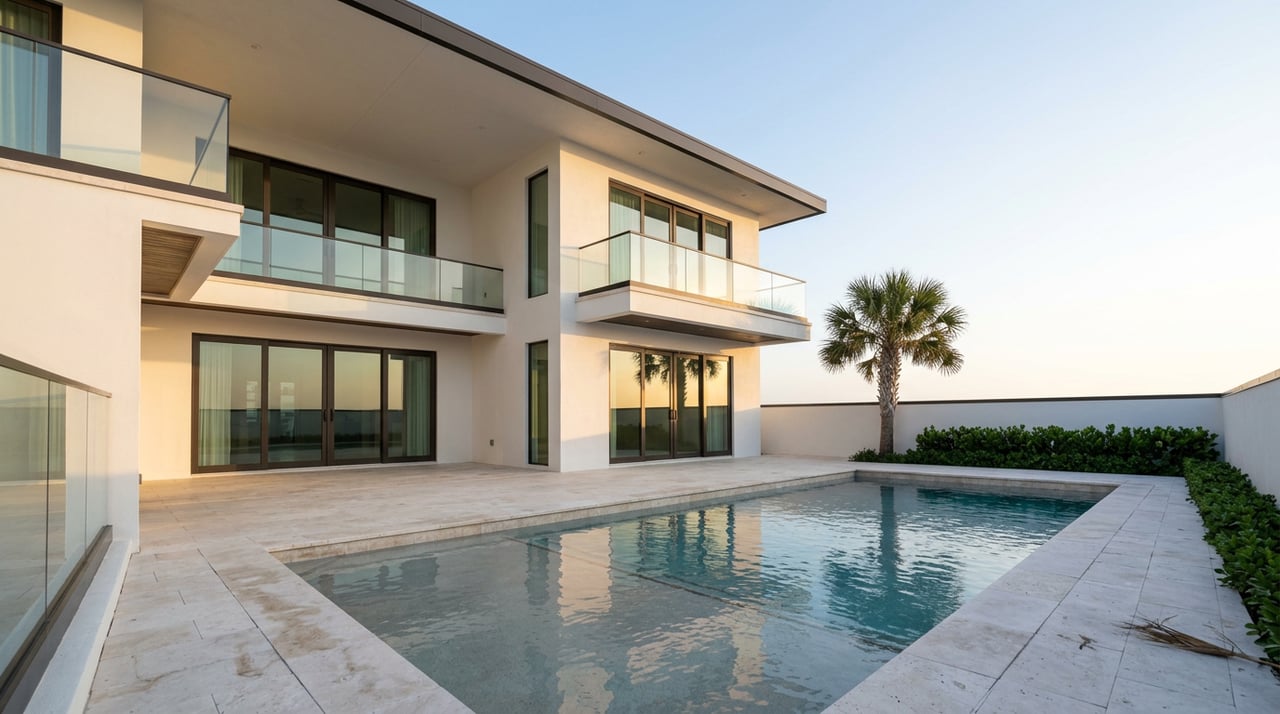
Shore Acres is a low-lying, canal-and-bay neighborhood tied directly to Tampa Bay. Flood exposure here comes from storm surge, high tides, and heavy rain that can overwhelm drainage. Local planning tools consider all three hazards to help you understand parcel-level and neighborhood context. You can explore those layers in the county’s Flood Map Service Center.
Many Shore Acres homes fall within FEMA’s Special Flood Hazard Area, often Zone AE. If a property sits in an SFHA and you use a federally backed loan, the lender will require flood insurance. To verify a specific address, start with the FEMA Map Service Center.
Flood zones in Shore Acres: what they mean
AE, VE, and X zones
Flood zones are letter codes on FEMA’s maps. AE and VE are Special Flood Hazard Areas and trigger insurance and building rule considerations. X (shaded) is a moderate risk area and X (unshaded) is minimal risk. Even if a home is in Zone X, many Shore Acres buyers still choose coverage because of nuisance high-tide flooding and storm events.
Base Flood Elevation and first-floor height
Where shown, the Base Flood Elevation is the water level FEMA estimates for a 1 percent annual chance flood. Your building’s actual first-floor height relative to BFE drives both permitting and, under current NFIP rules, a large part of your premium. An Elevation Certificate documents that height. Two homes on the same street can have different first-floor heights and very different rates.
Letters of Map Change
If a home sits near a flood zone boundary, the owner may have a Letter of Map Amendment or Revision. A successful determination can change a parcel’s mapped status. Always check the “Products” list for the address in the FEMA Map Service Center to see if any LOMA or LOMR is on file.
How to check your address
Use this quick process to confirm what you are buying:
- Generate a FIRMette for the exact address in the FEMA Map Service Center. Save the panel and the zone label for your offer file.
- Open the county’s All-In-One viewer in the Pinellas Flood Map Service Center. Review county floodplains, storm surge layers, and any available elevation data for local context.
- Ask if an Elevation Certificate exists. The county flood office can advise on records, and a seller’s file may include one.
- Review the FEMA product list for any LOMA or LOMR tied to the parcel.
Elevation, recent flooding, and mitigation work
Elevation varies across Shore Acres. Some renovated or newer homes report higher finished floors, while older homes often sit lower and have had past flood impacts. This variation is why one block can see different outcomes in the same storm.
Recent hurricane and high-tide events have produced neighborhood flooding and documented home impacts. Local coverage details how storms like Idalia and severe 2024 weather led to emergency response and planning in Shore Acres. You can read a summary of those events in the St. Pete Catalyst report.
The City of St. Petersburg approved a Shore Acres Flood Mitigation Project that includes upsized storm drains, new conveyance, backflow upgrades, and an underground pump station near Connecticut Ave NE and Bayshore Blvd NE. Public reporting notes funding commitments and a projected 2026 construction start after permitting. The goal is to reduce roadway flooding and improve drainage during high tides and heavy rain, although it will not remove coastal surge risk. For details, see the St. Pete Rising coverage.
Flood insurance basics for Shore Acres buyers
NFIP coverage and limits
The National Flood Insurance Program is the standard federal option and is required by many lenders in SFHAs. For most 1 to 4 family homes, NFIP offers up to 250,000 in building coverage and up to 100,000 in contents coverage. New policies typically have a 30-day waiting period, with exceptions for certain transactions. Review coverage features and limits at NFIP’s FloodSmart site.
NFIP policies can also include Increased Cost of Compliance. ICC provides up to 30,000 to help with elevation, floodproofing, relocation, or demolition after a qualifying substantial damage determination under local rules. Learn more about eligibility and use at the NFIP ICC page.
Risk Rating 2.0: how your rate is set
Since 2021, FEMA’s Risk Rating 2.0 prices policies by property-specific risk, not just by flood zone. The model considers distance to water, first-floor height, building type and replacement cost, and prior claims. This is why two neighbors can now see very different premiums. An Elevation Certificate is not always required, but it can help lower a premium if it documents more favorable first-floor height than the model assumes. Read what goes into a rate at FEMA’s Risk Rating 2.0 overview.
Private flood insurance and lender acceptance
Private flood insurance is widely available in Florida and can be an alternative to NFIP for many homes. Federal rules allow lenders to accept qualifying private policies that meet statutory standards, but each lender or investor can set additional requirements. If you plan to use a private policy, get lender approval in writing early in the process. For the acceptance framework, see the interagency guidance from the Federal Reserve.
Community discounts and local savings
FEMA’s Community Rating System rewards local floodplain management and mitigation. Pinellas County earned a Class 2 rating that provides a 40 percent NFIP premium discount for eligible policies in unincorporated areas. Many municipalities in Pinellas, including St. Petersburg, also participate with their own classes, which can reduce premiums. Confirm the property’s jurisdiction and current CRS class. Read the county announcement for context on discounts at the Pinellas County CRS page.
How to reduce long-term costs
Target improvements that lower risk and document them clearly.
- Elevate the lowest floor when renovating or rebuilding. First-floor height remains one of the strongest drivers of NFIP pricing under Risk Rating 2.0.
- Add compliant flood openings in enclosed foundation spaces where allowed. Proper venting can lower premiums by reducing differential pressure and damage risk.
- Elevate HVAC, electrical panels, and critical equipment above the first-floor level when possible.
- Maintain and document site drainage, backflow prevention, and any pump systems. Community infrastructure will help street flooding, but parcel-level measures improve your risk profile.
- Obtain or update an Elevation Certificate. Even if not required, it can produce a more accurate quote and support savings if the model underestimates your height.
Buyer due-diligence checklist for Shore Acres
Use this simple checklist for each property you consider:
- Get the official FIRMette and panel from the FEMA Map Service Center.
- Review the county’s All-In-One viewer in the Pinellas Flood Map Service Center. Ask the county flood office if an Elevation Certificate is on file.
- Request seller disclosures that include any known prior flooding and NFIP claim history. If the seller has an active NFIP policy, ask for the current premium and the Elevation Certificate if available.
- Check the MSC “Products” list for any LOMA or LOMR linked to the parcel.
- Ask for permits related to elevation work, backflow devices, pumps, or major repairs. Verify that work was permitted and inspected.
- Gather current quotes from both NFIP and private carriers. Compare coverage, deductibles, waiting periods, and replacement cost vs actual cash value.
- If you are financing, confirm your lender’s policy on private flood insurance. Get acceptance terms in writing if you choose a private carrier. The Federal Reserve guidance explains the framework.
- If no Elevation Certificate exists and premiums look sensitive to height, consider ordering one or consulting a licensed surveyor before closing.
What this means for your purchase
Waterfront living in Shore Acres is possible with clear planning. Focus on your address-specific map data, your first-floor height, and a side-by-side comparison of NFIP and private options. Factor in the city’s coming drainage upgrades as a quality-of-life improvement, but make elevation and mitigation your tools for controlling long-term costs.
If you want a local, waterfront-first strategy for your purchase, reach out. I will help you verify the maps, line up insurance quotes, and build a smart offer that reflects real risk and value. Connect with Brad Bess to talk timing, costs, and neighborhoods, or book your tour.
FAQs
What is Zone AE in Shore Acres and why does it matter?
- Zone AE is a Special Flood Hazard Area on FEMA maps that often requires flood insurance for federally backed loans and guides local building rules. Confirm your specific parcel at the FEMA Map Service Center.
How do I find my Base Flood Elevation and first-floor height?
- Check the BFE on your FEMA FIRMette and obtain an Elevation Certificate to document your building’s first-floor height relative to BFE for accurate quoting.
Will the Shore Acres pump station reduce my insurance premium?
- The project should reduce street flooding and drainage impacts, but NFIP pricing still leans on your address-level risk and first-floor height, so premium changes are indirect.
Do I need flood insurance to close if the home is in Zone X?
- Lenders do not always require it for Zone X, but many buyers still choose coverage due to local high-tide and storm-related flooding risk.
How long before a new NFIP policy starts?
- NFIP policies typically have a 30-day waiting period, with certain transaction exceptions; get quotes early and confirm effective dates with your agent.
Can my lender accept a private flood policy instead of NFIP?
- Often yes, if the private policy meets federal criteria, but lenders can add requirements, so get written confirmation of acceptance before you bind coverage.