Selling in Riviera Bay can move fast when you follow a focused plan. You want strong exposure, the right price, and clean paperwork so buyers feel confident from day one. In the next few minutes, you’ll get a simple week-by-week path to prepare, launch, and negotiate effectively in just 30 days. Let’s dive in.
Why a 30-day plan matters
Riviera Bay buyers care about waterfront features, outdoor living, and storm resilience. They also look closely at flood zones, insurance, and the age and condition of roofs, windows, and seawalls. Timing matters because out-of-area and seasonal buyers often shop more in fall through spring. A 30-day plan keeps you on track so you can capture attention and reduce delays once offers arrive.
Week 1: Pre-launch essentials
Set price with a Riviera Bay CMA
Start with a Comparative Market Analysis that leans on nearby solds, active competition, and condition adjustments for waterfront vs. non-waterfront homes. Pricing options include market-price to attract attention, slightly under to spark multiple offers, or testing the top of the range if inventory is thin. Monitor early traffic and be ready to adjust within the first 10 to 21 days if activity is slow.
Gather documents early
Collect your deed, survey if available, recent tax info, warranties, appliance manuals, and utility bills. Complete the Florida Seller’s Property Disclosure with known material facts. If your home is in an association, request the required resale or estoppel documents early because some HOAs or condos need extra time and charge fees under Florida’s community association statutes. Verify your parcel details with the Pinellas County Property Appraiser and confirm deed history through the Pinellas County Clerk of the Circuit Court.
Quick repairs and curb appeal
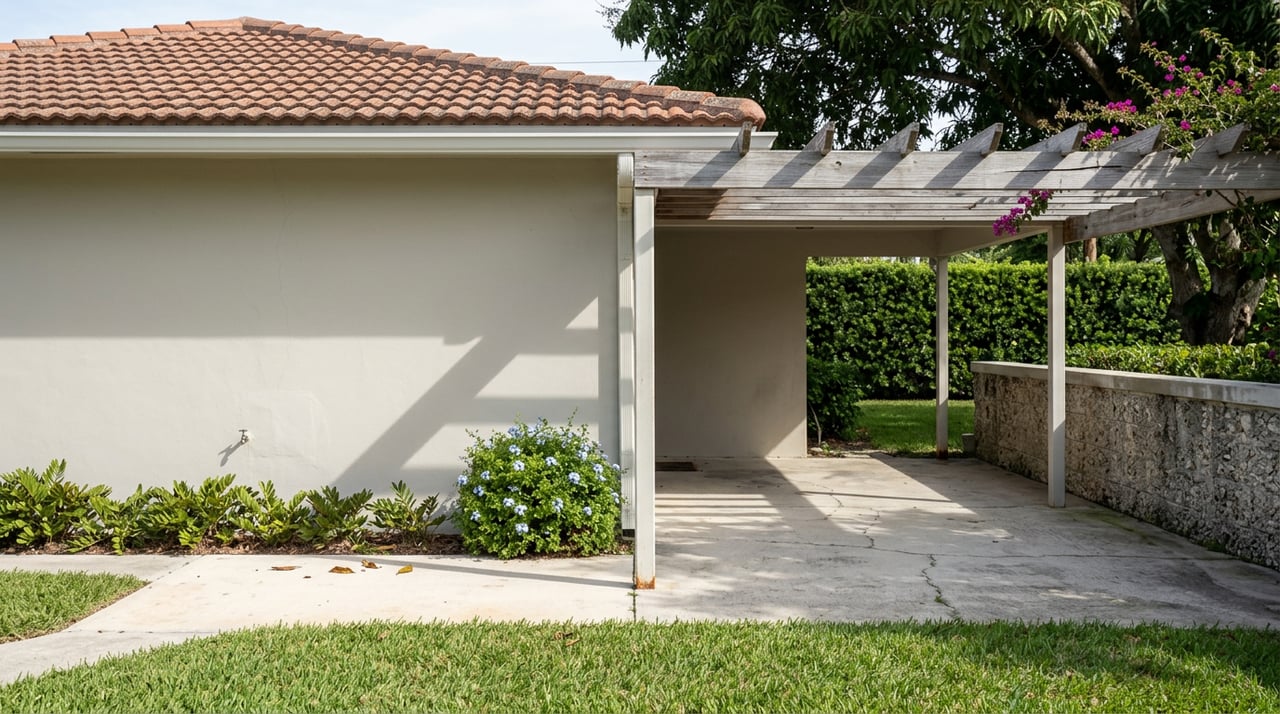
Fix small items that telegraph care: touch-up paint, replace bulbs, clean gutters, and repair screens. Power wash exterior surfaces, trim landscaping, and stage outdoor areas like the lanai and dock. Address humidity or odor issues inside so closets and storage feel fresh and dry. These low-cost steps can lift perceived value and online click-through.
Book pros and inspections
Schedule professional photography, drone, and a 3D tour. Consider a pre-listing inspection focused on roof, HVAC, and pest or termite items to reduce renegotiations later. If your property is in or near a Special Flood Hazard Area, confirm flood-zone status through the FEMA Flood Map Service Center and have current insurance details ready for buyers.
Week 2: Media and staging
Pro photos, drone, and 3D tour
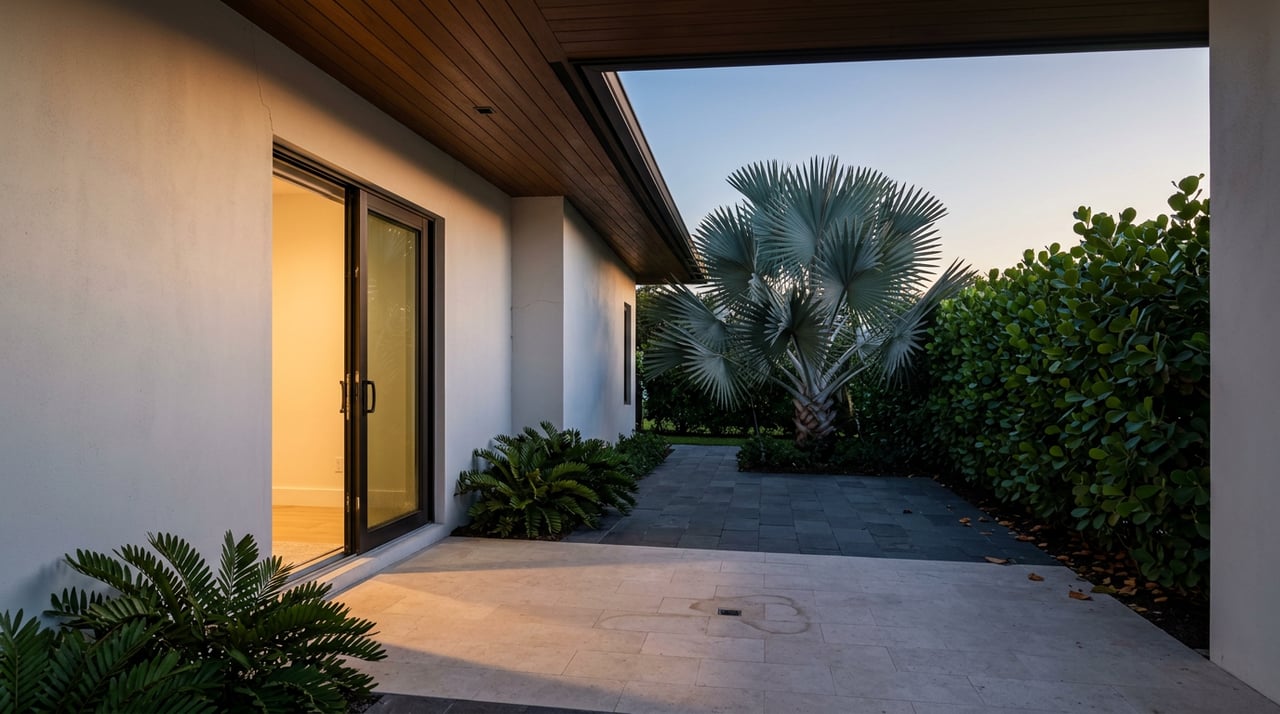
Order interior and exterior photos plus twilight shots that highlight Florida light and water views. Use drone imagery if your lot position, canal access, or proximity to marinas adds value. A 3D walkthrough and floor plan help out-of-area buyers tour remotely and understand the layout.
Stage for coastal living
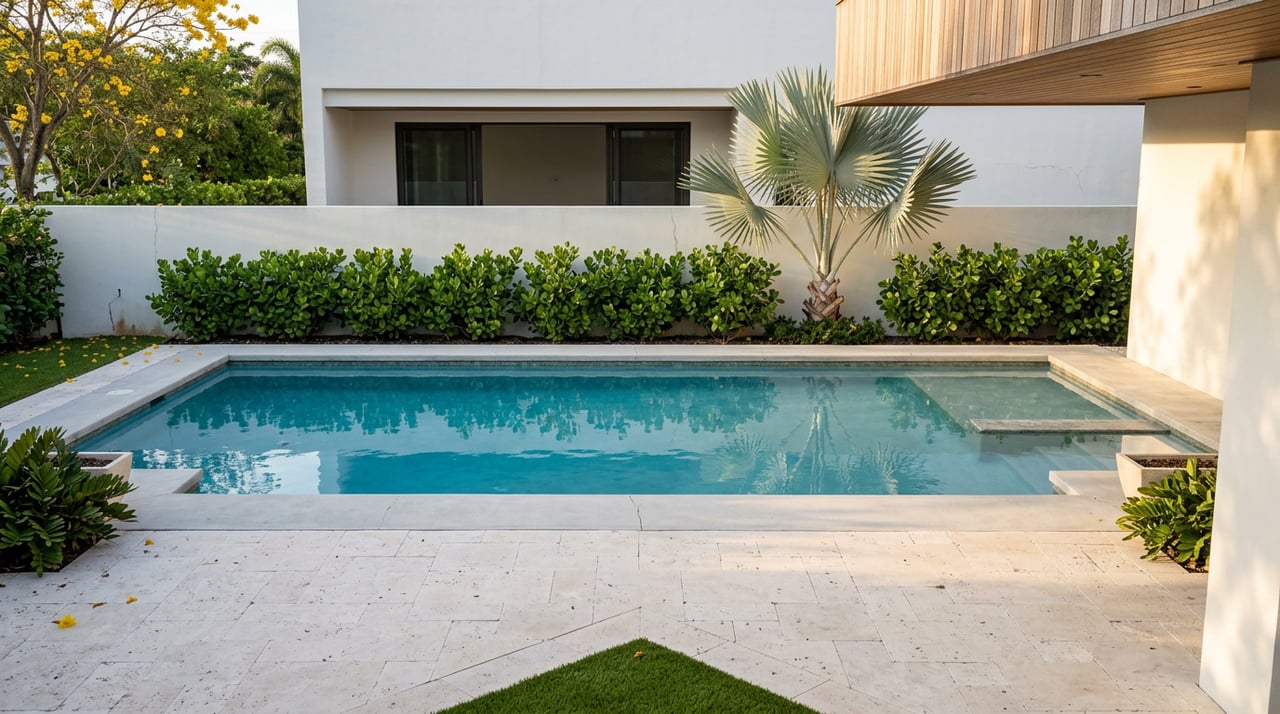
Keep interiors neutral, decluttered, and bright so natural light and views shine. Stage the lanai, patio, and dock to show how easy outdoor living can be. If you have impact windows, storm shutters, or a newer roof, highlight those upgrades in both photos and the feature list.
Finalize price and list timing
Review photos and any inspection findings, then confirm the list price and launch day. Create a clear property description that calls out water features, system updates, flood or wind protections, parking or garage details, and association amenities. Prepare a property website, flyers, and email copy so your launch has momentum.
Week 3: Launch and traffic
Go live and syndicate
Publish the MLS listing with accurate details, including HOA fees, any special assessments, and flood-zone info when applicable. Ensure professional photos, drone assets, and your 3D tour are uploaded so the listing looks complete on day one. Set showings with clear instructions, a lockbox, and windows that fit your schedule.
Targeted outreach and ads
Announce the listing to local buyer agents, investor contacts, and out-of-area audiences likely to consider a second home. Use paid social ads that speak to boating, waterfront lifestyle, and the convenience of St. Petersburg living. Consider a broker preview and a weekend open house to gather in-person feedback and accelerate interest.
Showings and feedback loop
Track views, saves, showings, and agent comments in the first week. If you see slow activity, consider small adjustments such as the lead photo, feature highlights, or showing access. Respond to inquiries and showing feedback within 24 hours to keep momentum.
Week 4: Offers and closing prep
Compare and negotiate
Review offers with a side-by-side net sheet that includes price, concessions, contingencies, and closing timeline. Prioritize strong financing or cash, fewer contingencies, and realistic timelines. Use repair credits or price adjustments strategically to keep deals moving.
Inspections, appraisal, and contingencies
Upload any pre-listing inspection summaries and provide documentation for systems, utilities, and upgrades. Unique or waterfront properties can appraise conservatively, so prepare a comp packet of recent relevant sales and your upgrade list. Confirm the buyer’s appraisal schedule, loan status, and association document needs early to prevent delays.
Close with confidence
Coordinate with your title company or attorney to prepare closing statements and document delivery. Plan the transfer of keys, remotes, and access details. In Pinellas County, closings often run 30 to 60 days from contract depending on financing and HOA turnaround, so having your paperwork ready can shorten that timeline.
Pricing, staging, and media tips
Price to the market
Use recent sales in Riviera Bay and adjacent areas with adjustments for water access, condition, and age. Decide whether to price at market, just under, or slightly above based on inventory and buyer demand. Watch early listing metrics and be ready to adapt quickly.
Media that moves coastal buyers
Feature high-quality interior and twilight photography. Include drone visuals that show canal lines, open water proximity, and neighborhood context. Add a 3D tour, floor plan, and a short video for social ads and email to reach remote and seasonal buyers.
ROI quick wins
Professional photography, minor updates, and outdoor staging typically deliver strong returns. Virtual staging is a cost-effective option if full staging isn’t feasible. Drone assets can be decisive for waterfront or near-water properties.
Key disclosures and local rules
Seller disclosures in Florida
Fully disclose known material defects using Florida’s standard Seller’s Property Disclosure. Transparency builds buyer trust and reduces post-inspection friction. You can find additional state-level guidance through Florida Realtors and seller resources from the National Association of Realtors.
Flood zones and insurance
Buyers and lenders will ask about flood zones, elevation, and insurance premiums. Share your insurance declarations and verify your flood-zone status through the FEMA Flood Map Service Center. Early clarity on risk and cost helps the right buyers commit.
HOA and condo documents
If your home is in an association, order the resale or estoppel package early. Florida community association requirements appear in state statutes for condominiums and homeowners associations, which you can access through the Florida Legislature’s statutes site. Check delivery timelines and fees so you can meet contract deadlines.
Short-term rental notes
If marketing rental potential, confirm local ordinance rules and your association’s restrictions before making claims. Requirements can vary by municipality in Pinellas County. Title and document research can be supported through the Pinellas County Clerk of the Circuit Court.
Quick checklists
Pre-listing checklist
- CMA completed and pricing strategy set.
- Florida Seller’s Property Disclosure completed.
- Request HOA or condo resale package and any estoppel.
- Order optional pre-listing inspections for roof, HVAC, and pest.
- Schedule photographer, drone, and 3D tour.
- Complete quick repairs, deep clean, declutter, and curb appeal.
- Gather manuals, warranties, recent utility bills, and permit records.
Launch week checklist
- MLS live with accurate features, HOA, and flood info.
- Pro photos, drone assets, and 3D tour published.
- Email blast to agents, investors, and targeted out-of-area buyers.
- Paid social ads live with lifestyle-focused messaging.
- Broker preview scheduled and open house plan set.
- Showing instructions, lockbox, and seller show-ready routine in place.
Offer-to-close checklist
- Offer comparison with estimated net proceeds.
- Provide pre-listing inspection summaries to buyer if appropriate.
- Confirm buyer financing, appraisal timeline, and HOA document status.
- Coordinate with title company or attorney for closing statements.
- Plan move-out, final walk-through prep, and key or access transfer.
Work with a waterfront specialist
You deserve a plan that is clear, proactive, and tailored to Riviera Bay. From pricing and presentation to flood-zone clarity and negotiation strategy, your listing benefits from a local waterfront expert and a full-service marketing platform. If you are ready to start your 30-day plan, connect with Brad Bess for a personalized strategy.
FAQs
How long does it take to sell a Riviera Bay home with this plan?
- If priced to the market with strong media and access, you should see meaningful activity in the first 1 to 2 weeks and move into offers and negotiations shortly after.
What documents should I gather before listing in Pinellas County?
- Collect your deed, survey if available, tax info, warranties, utility bills, and complete the Florida Seller’s Property Disclosure; order HOA or condo resale documents early.
How do flood zones affect a Riviera Bay sale?
- Buyers and lenders review flood-zone status and premiums, so verify through the FEMA Flood Map Service Center and share current insurance details to reduce uncertainty.
Is a pre-listing inspection worth it for a coastal property?
- Yes, a focused pre-inspection on roof, HVAC, and pest can surface easy fixes, speed negotiations, and boost buyer confidence in a coastal environment.
How long is closing once I accept an offer?
- Many Pinellas County closings run 30 to 60 days depending on financing, appraisal, title work, and HOA document turnaround, so early document prep helps shorten timelines.