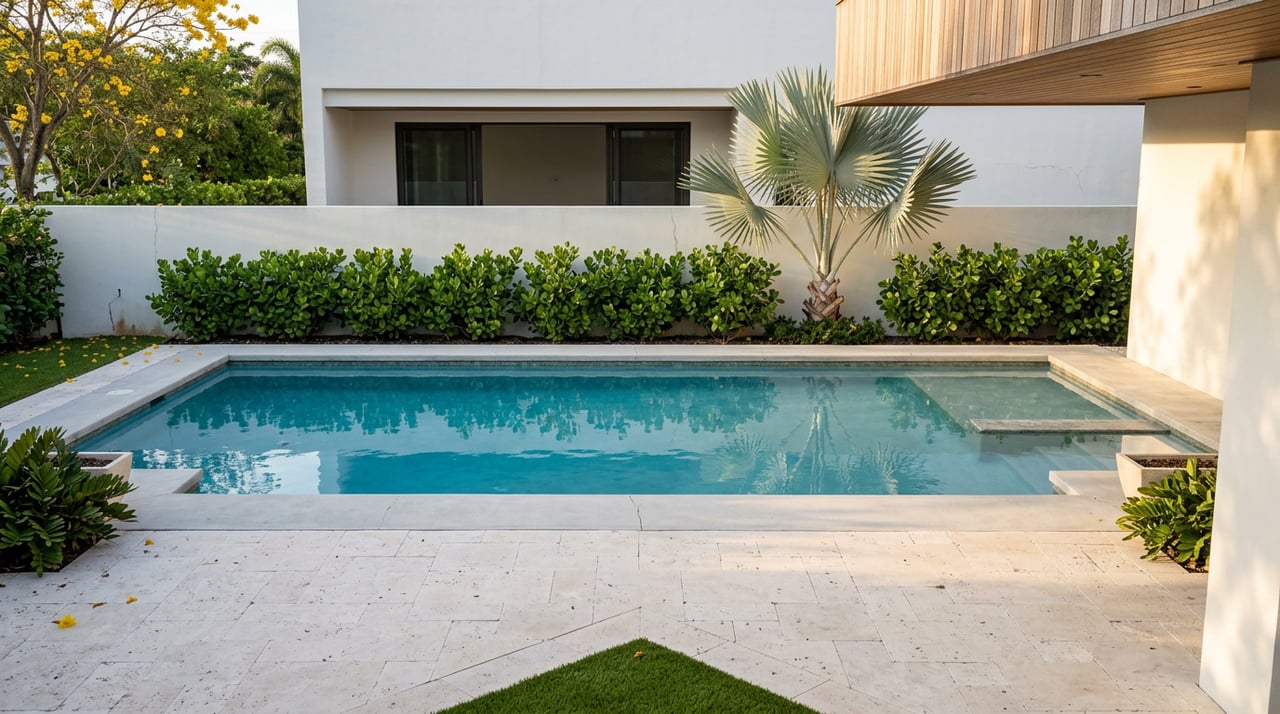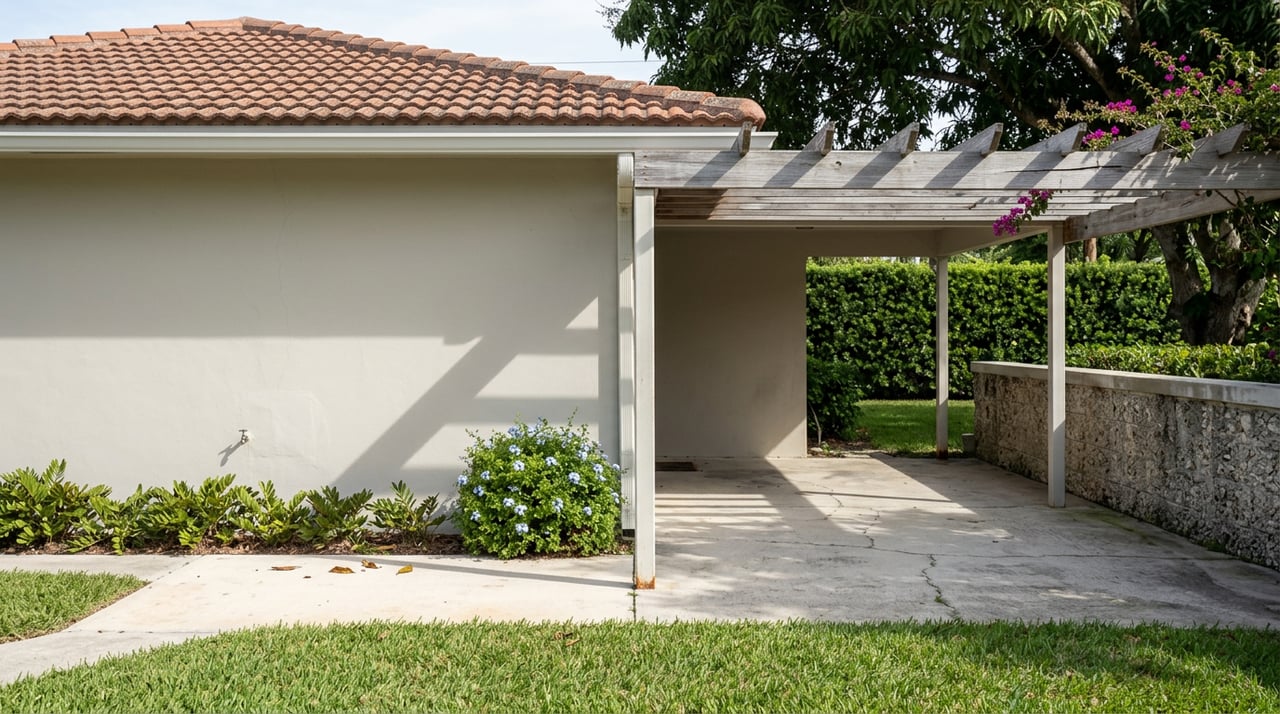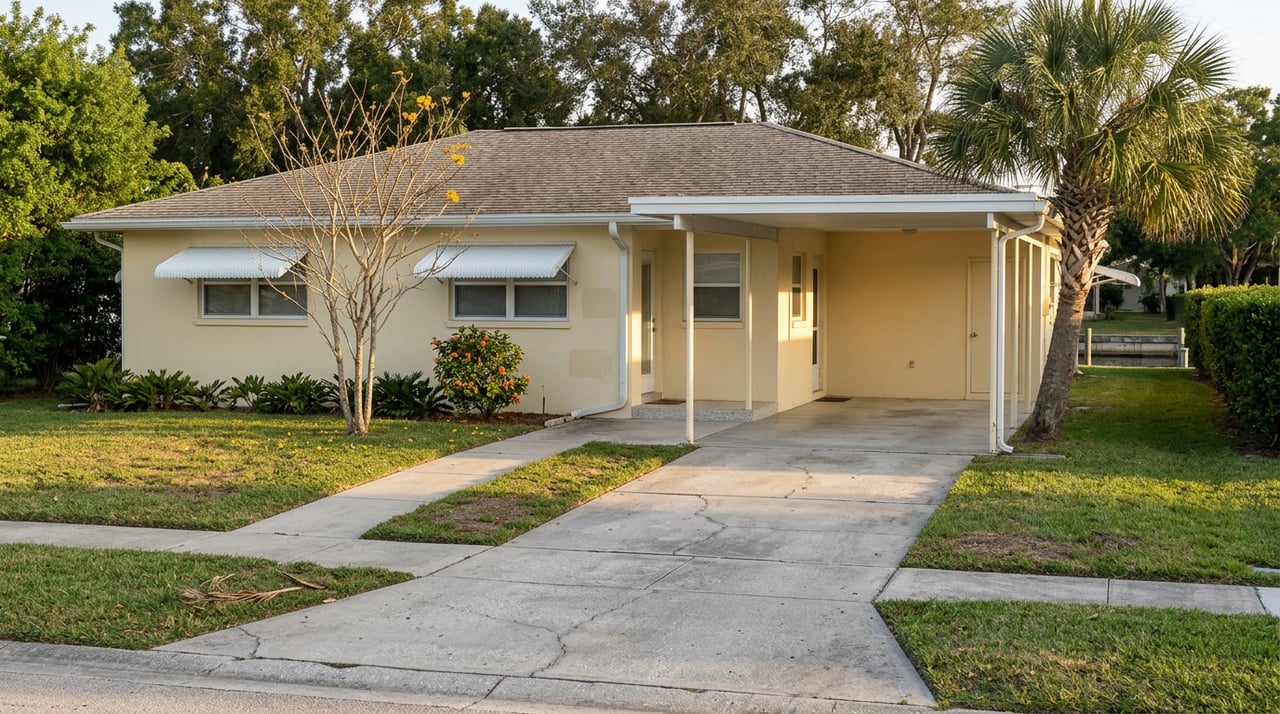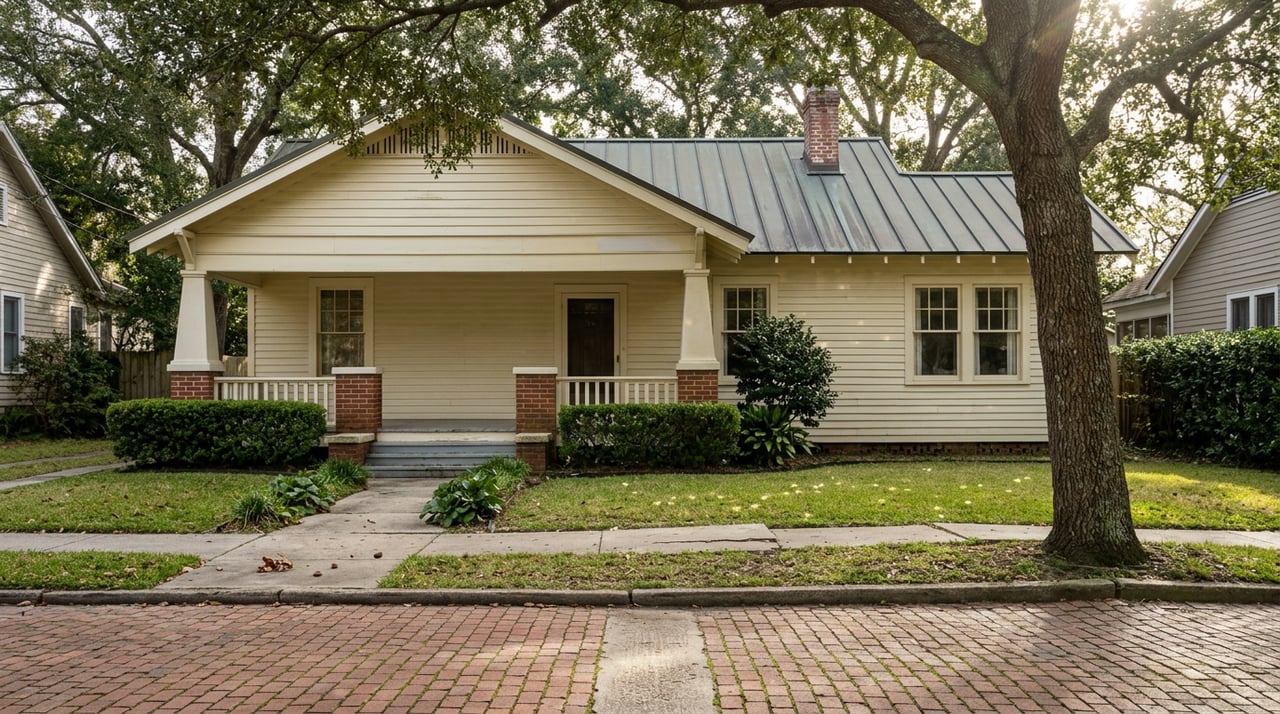
Drive the brick streets of Greater Woodlawn on a Saturday morning and the neighborhood feels bigger than it is. Oak canopies meet over the road. Bungalows and Tudor Revival cottages from the 1920s and 30s sit close enough that porch conversations carry from one yard to the next. It reads like a neighborhood with room to spread out.
It isn't. Greater Woodlawn covers half a square mile. Inside that boundary, there is exactly one designated park.
That single fact should make this a quiet, thin place to live. It doesn't, and the reason has nothing to do with acreage.
The Boundary Is Smaller Than It Looks
Greater Woodlawn's edges are precise: 22nd Avenue on the south, 30th Avenue on the north, 16th Street on the west, and 9th Street on the east, according to the Greater Woodlawn Neighborhood Association. Inside those four streets sit roughly 625 homes spread across 11 separate subdivisions, the oldest platted in February 1912. The Woodlawn Subdivision itself, the one that gave the whole area its name and its entrance pillars, wasn't platted until 1924.
Within that entire footprint, the association's own site is direct about what residents get in the way of public green space: one designated park, Blanc Park, plus a few shaded, grassy quadrants scattered through the older plats. No sports complex. No lake. No trail system of its own.
Borrowed Green Space, Used on Purpose
What Woodlawn lacks inside its lines, it makes up for just outside them. Crescent Lake Park sits under a mile away and does the heavy lifting that Blanc Park's brick-lined benches were never built for: a 52-acre lake ringed by banyan trees, a dog park, the Huggins-Stengel Sports Complex with tennis and pickleball courts, and free yoga sessions open to anyone who shows up.
| Blanc Park (inside the boundary) | Crescent Lake Park (just outside it) | |
|---|---|---|
| Size | A single neighborhood corner lot | 52 acres |
| Features | Brick-lined path, shaded benches | Banyan tree canopy, lake trail, dog park, tennis and pickleball courts, free yoga |
| Role | Daily dog walk, picnic spot | Weekend destination, athletic complex |
This isn't a knock on the neighborhood. It's a pattern worth naming: Woodlawn residents didn't wait for a park system to catch up to their footprint. They built a habit of walking a few extra blocks and treating a neighboring park as their own backyard. The green space problem got solved by proximity, not by acreage.
A Calendar Nobody Outsourced
The bigger story is what fills the calendar instead of the map.
The Greater Woodlawn Neighborhood Association has existed since 1995, run entirely by volunteers who live inside those same four boundary streets. The group is candid about its own inconsistency over the decades. As the association puts it on its current site, they're "happy that we have again become an active neighborhood association," which is the kind of honest line you don't get from a polished amenities brochure.
What that renewed activity looks like on the ground is a full annual rotation of named, recurring events, not a single flagship festival:
- Neighborhood Porch Parties, held multiple times a year on residents' own front lawns
- Cinco de Mayo in Woodlawn, an annual spring gathering
- A Kid's Easter Event each spring
- The Neighborhood Yard Sale each fall, where locally made Woodlawn Wildflower Honey shows up alongside kayaks and furniture
- Carvin' in the Circle, the neighborhood's Halloween tradition
- The Thanksgiving Day Turkey Trot
- An Annual Holiday Concert each holiday season
- Regular Neighborhood Association meetings that keep the group's decisions in front of the people they affect
None of this is theoretical or historical. Earlier this year, the association's own calendar carried eight separate gathering dates between April 8 and June 24, mostly a week apart with one longer stretch in between. That's not a group coasting on a reputation built decades ago. That's a volunteer board that ran programming most weeks for two and a half months straight, in a neighborhood of 625 homes.
The events are underwritten locally, too. Sponsor listings on the association's site name Floor Coverings International St. Petersburg, a flooring business marking ten years in the city, and Canopy Builders, which has built homes in St. Petersburg since 2013. One board member, Billy, a Florida native, lives in the neighborhood with his wife Augusta and serves on the GWNA board himself. This is not a professionally managed HOA calendar. It's neighbors funding neighbors' gatherings and then showing up to run them.
The Places That Fill the Rest of the Week
Between the organized events, daily life in Woodlawn runs through a short list of specific, repeated stops rather than a walkable commercial strip. Trip's Diner has served the community since 2012 with a no-frills breakfast and sandwich menu that regulars treat as a fixture. Rollin' Oats Market & Café has been the neighborhood's independent grocery since 1994, stocking specialty and organic goods alongside a café counter for smoothies and wraps. For dinner, residents split between GUSTO Italian Restaurant for classic Old-World dishes and Astra Pizza & Subs for New York-style slices and cheesesteaks. In the warmer months, the association itself organizes summer happy hours at spots like Golden Isles Brewing Co., and the group lists weekly yoga at Woodlawn Presbyterian Church among its regular neighborhood activities.
None of these sit on a single retail block built for foot traffic. They're scattered, singular destinations that families work into their own routines one at a time. That absence of a built-in Main Street is part of why the association's calendar carries so much of the social weight here. Nobody assembled a corridor to force neighbors into contact, so the neighbors built the contact themselves, one porch party and one yard sale at a time.
What This Actually Adds Up To
Outside rankings describe Greater Woodlawn with words like "sparse suburban feel," which is accurate if you're only counting parks and commercial square footage. It misses the part that residents actually notice: an all-volunteer group has been quietly manufacturing a reason to be outside almost every month, for more than three decades now, funded by the same small businesses whose owners live inside the boundary lines they're sponsoring.
A half square mile with one park shouldn't feel this occupied. The reason it does isn't zoning or acreage. It's a calendar that a few hundred households have kept running themselves since 1995, with eight more dates added to that record just this past spring.
If the pace of a neighborhood like this is what you're after, whether you already know these streets or you're weighing them against a few others in St. Petersburg, Brad Bess can walk you through what's currently available inside those four boundary streets and tell you honestly what it's like to live behind them. Book Your Tour and see the brick roads for yourself.